Cleaning & Janitorial
The Must-Have Event Day Cleaning Playbook for Arenas and Stadiums
February 5, 2026
Use this event-day cleaning playbook to prepare arenas and stadiums for fast turnover, safer operations, cleaner spaces, and better guest experiences.
The final buzzer sounds. The house lights come up. A wave of fans streams toward the exit, buzzing about the big moments they just experienced.
To them, the event is over. But for your cleaning team, it’s go time.
The next event day doesn’t start when the doors open for the next concert or sporting event; it starts as soon as fans are exiting the building. That turnover window, starting with the overnight reset, working through the early-morning prep, and all the way through the live event maintenance, determines whether your venue feels world-class or worn down.
When you have thousands of people pouring into your stadium several nights per week, cleaning must be a continuous, systematic process. Slips, odors, overflowing trash, or empty soap dispensers don’t just annoy guests; they can slow traffic, create safety risks, harm your brand reputation, and generate complaints that linger long after the final whistle.
This is your event day cleaning playbook for arenas and stadiums. We’ll share our step-by-step, operations-focused plan built for facility managers, service teams, and contract cleaners who need to know exactly what to do and when, so they can execute under pressure and at scale.
Steps for Quick Stadium Turnover
Follow these steps for a comprehensive stadium cleaning:
Immediately Following the Previous Event
- Step 1: Deploy Exit Route Trash Teams
- Step 2: Stabilize Restrooms
- Step 3: Remove Trash From Seating Bowl
- Step 4: Haul Trash to Dock Areas
- Step 5: Full Restroom Recovery Clean
- Step 6: Restore Concourse Floors
- Step 7: Deep Reset Concession & Foodservice Areas
- Step 8: Deep Clean Seating Bowl
- Step 9: Reset Suites
- Step 10: Clean Exterior Plaza and Entry Areas
- Step 11: Supervisor Post-Event Inspection
- Step 12: Restock Carts, Closets, and Chemical Stations
Before the Next Event
- Step 1: Assign Cleaning Zones and Crew Leads
- Step 2: Stage Equipment and Supplies by Zone
- Step 3: Clean High-Visibility Surfaces
- Step 4: Floor Safety Prep and Matting Setup
- Step 5: Restroom Pre-Event Reset
- Step 6: Line Trash Receptacles and Stage Extra Liners
In-Event Operations
- Step 1: Deploy Restroom Attendants
- Step 2: Concourse Patrol Cleaning Loops
- Step 3: Trash and Recycling Rotations
- Step 4: High-Touchpoint Disinfection
- Step 5: Spill and Biohazard Response
Equipment, Materials, & Supplies Needed
Make sure you have all of the supplies and tools you’ll need to help prevent downtime and standardize cleaning expectations.
Equipment Needed
- Automatic floor scrubbers (ride-on, walk-behind, or robotic) areas
- Micro scrubbers
- Floor sweepers
- Backpack vacuums
- Leaf blowers
- Wide-area vacuums
- Wet/dry vacuums
- Air movers
- Portable extractors
- Pressure washers
- Closed-loop dispensing system
Materials Needed
- Personal Protective Equipment (PPE)
- Disposable gloves
- Cut-resistant gloves
- Slip-resistant footwear
- Safety glasses / goggles
- Face shields
- Disposable gowns or aprons
- Respirators or masks
- High-capacity rolling trash barrels
- Trash liners (various sizes)
- Heavy-duty can liners
- Recycling liners
- Biohazard bags
- Neutral cleaner
- Food-safe cleaner
- Food-grade sanitizer
- Neutral floor cleaner
- Disinfectant
- Bowl cleaner
- Glass cleaner
- Stainless steel cleaner
- Heavy-duty degreaser
- Restroom cleaner (acid or non-acid)
- Enzyme cleaner
- Concrete cleaner
- Aerosol gum remover
- Disinfecting wipes
- Spray bottles and labeled secondary containers
- “Restroom Closed” and “Wet Floor” signage
- Caution cones
- Urinal screens
- Spill kits (absorbent powder/pads)
- Biohazard spill kits
- Toilet tissue
- Paper towel
- Foam or liquid hand soap
- Hand sanitizer refills
- Air freshener and odor neutralizer
- Floor pads
- Squeegee blades
- Matting
Supplies Needed
- Janitor carts with bag holders
- Tilt trucks
- Litter grabbers
- Push brooms
- Brooms
- Lobby dust pans
- Dust mops (microfiber or treated)
- Floor squeegees
- Entrance matting systems
- Toilet bowl swabs
- Grout brushes
- Detail brushes
- Microfiber cloths (color-coded)
- Flat mop systems
- Wet mop & bucket (with wringer)
- Handheld scrub brushes
- Plastic scrapers
- Extension poles (microfiber heads and squeegee heads)
- Microfiber dusters
- Step stools or small ladders
- Radios or communication devices
- Clipboards or digital checklists
- Flashlights
- Extra batteries/chargers
Verify Proper PPE for All Staff Before Any Cleaning Begins
Before crews touch a single piece of debris, mop, or trash bag, everyone must be properly protected. Stadium and arena cleaning can involve chemical exposure, biohazard risk, and potential slipping hazards. Wearing PPE helps staff stay safe and lowers the risk of workplace injuries. A single injury could bring the operation to a halt.
Action Steps:
- Put on gloves. You’ll want disposable gloves for general cleanup and cut-resistant gloves for handling any sharp debris
- Wear appropriate footwear. Closed-toe, slip-resistant shoes are required.
- Use eye and body protection as needed. Safety glasses or face shields, and disposable gowns or aprons, especially in restrooms or foodservice areas where splashes can happen.
- Wear masks or respirators as needed. This is especially important in areas with strong chemicals or dust.
- Conduct a quick PPE check at the start of each shift. Skipping PPE can lead to injuries, chemical burns, slips, or exposure to bodily fluids.
Making sure everyone is wearing PPE helps the team clean effectively, safely, and without interruption.
Immediately Following the Previous Event
As soon as the fans are out of the arena or stadium, it’s time to get to work. These steps happen in the first 12 hours following an event, especially if there is an event the following day. The early steps are about stabilizing the facility and removing debris, not perfection. Deep cleaning comes after that. Follow these first 11 steps to lay the groundwork for success.
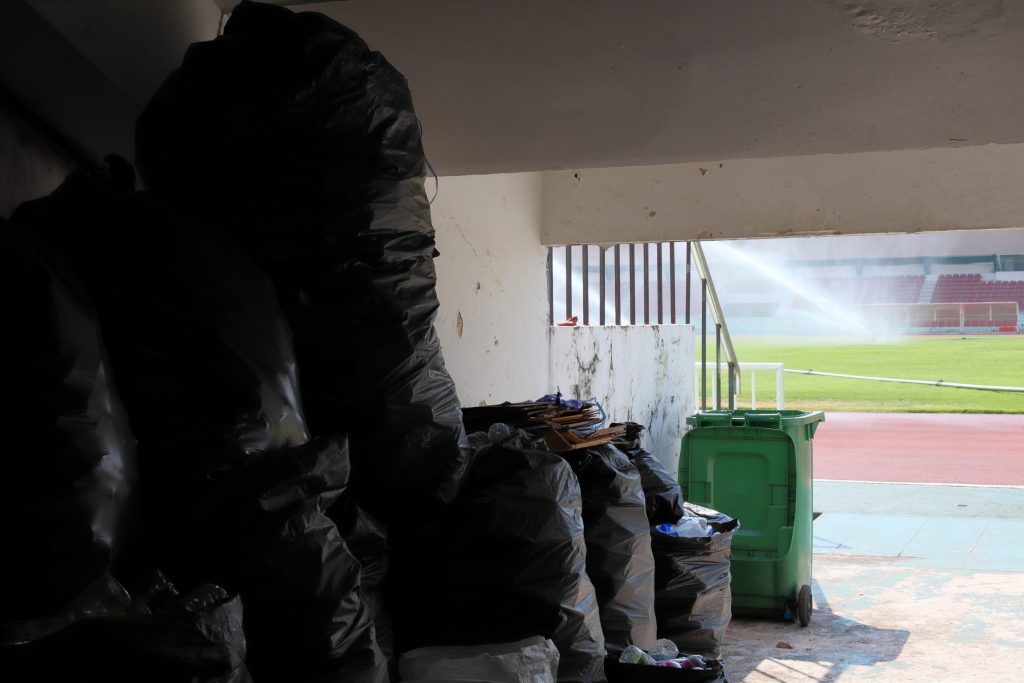
Step 1: Deploy Exit Route Trash Teams (0–60 Minutes After Event)
As guests are leaving, large volumes of trash, food containers, and spilled beverages are tracked from seating areas to the exits and exterior plazas. If it’s not addressed immediately, the debris will likely get stepped on, crushed into the floors, and spread back into the concourses, creating potential slipping hazards and extending cleanup time.
Action Steps:
- Pre-assign zones and crews. Each crew should know exactly which exit routes, stairwells, or plazas they are responsible for. Assign team leads to increase accountability.
- Use the right tools. Use litter grabbers to collect debris on stairs or uneven surfaces, and push brooms, lobby dust pans, and high-capacity rolling trash barrels for collection. Avoid handheld trash liners for large areas as they can slow down the process.
- Prioritize large items first. Items like cups, trays, napkins, and food packaging are the main tripping and tracking hazards. Collect them before smaller debris.
- Gather and stage all trash. Empty all of the concourse trash receptacles. Stage the filled trash bags in common pickup areas to streamline the removal process. Clean and disinfect all receptacles.
- Coordinate with crowd control. Communicate with security to avoid any collisions with late-leaving fans.
- Document volume and any problem areas. Note any bins or areas that were overfilled for better planning for the next event.
Priority Areas:
- Main concourses
- Exit areas
- Stairwells and escalators
- Exterior gates and plazas
Not starting right away in these areas can lead to food crushed into the floor, sticky residues, and extended labor later on in the process. Guests could also slip or trip in messy, high-traffic areas.

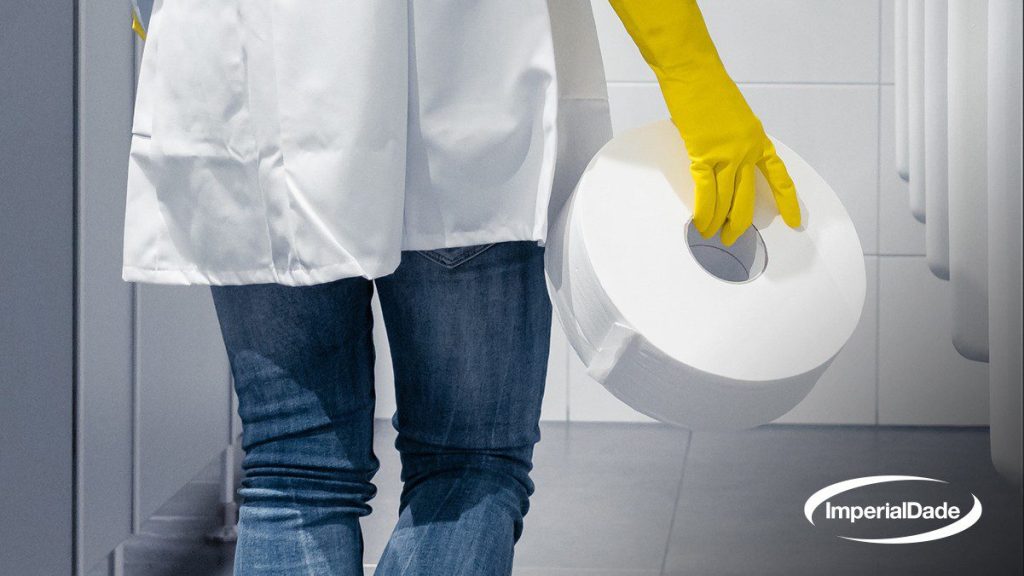
Step 2: Stabilize Restrooms (0–60 Minutes After Event)
Restrooms, especially the ones in exit routes, experience extreme, concentrated use at the end of an event. Stabilizing them right away helps prevent unsafe floors, overflowing trash, and unpleasant odors. This is not where we deep clean. The goal is to simply make the space safe and functional so the post-event team can work their magic later on.
Action Steps:
- Post “Restroom Closed” and “Wet Floor” signage. This indicates the restroom is being worked on and helps prevent anyone from wandering in during the cleaning process. Keep signage posted until work in the restroom is complete.
- Remove all trash. Empty all bins and feminine hygiene receptacles and replace with fresh can liners. Use biohazard bags for any bodily fluids present and dispose of them according to your facility’s guidelines. Stage the bags for pickup—don’t overload your janitor carts here.
- Wipe or mop visible spills. Spot clean counters, sinks, and floors with microfiber cloths and a wet mop and bucket with wringer, focusing on liquid hazards.
- Address minor clogs or backups. Only staff trained to do so should clear clogged toilets or urinals.
- Check supplies. Note any low soap, paper towel, or toilet paper dispensers so they can be prioritized for refills. Temporarily refill if any dispensers are completely empty.
Unattended restrooms can create immediate safety hazards. Stabilizing them early in the process helps prevent soils and germs from spreading to the rest of the facility and reduces the burden on the deep clean later.
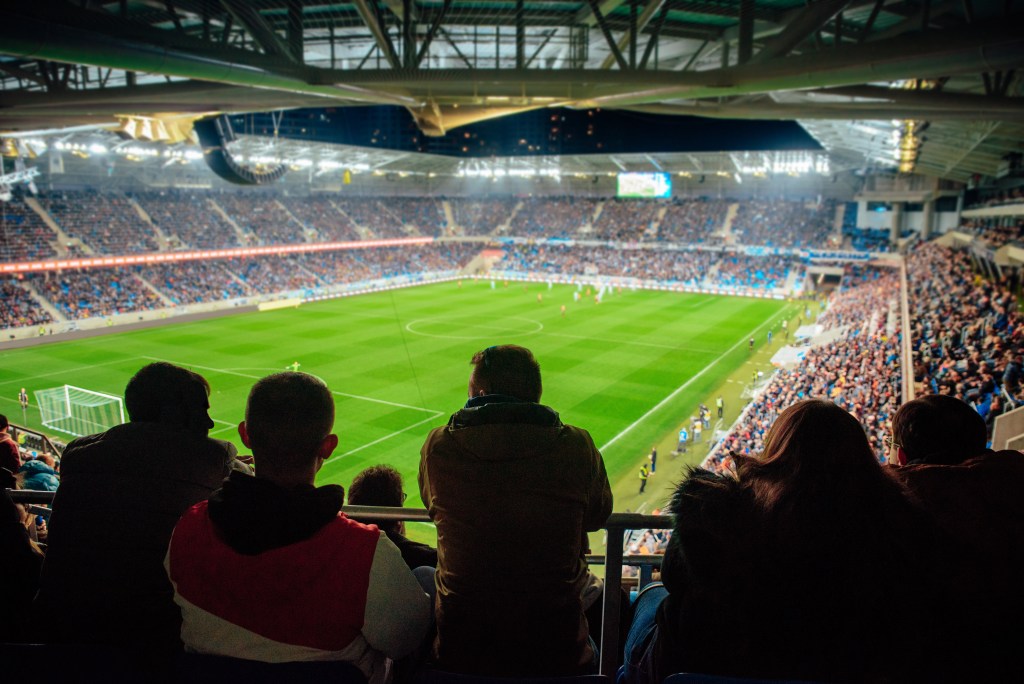
Step 3: Remove Trash From Seating Bowl (30–90 Minutes After Event)
The seating bowl is where most guests will spend the majority of the event. It’s also where most food and drink are consumed. That means seats and aisles can quickly accumulate cups, wrappers, and food debris. Early trash removal helps protect the flooring and seating and speeds up detailed cleaning later on.
Action Steps:
- Start at the top of sections. Move systematically from higher rows downward to avoid resoiling clean areas. Work clockwise, section by section, around the bowl.
- Use leaf blowers, backpack vacuums, and push brooms. Backpack vacuums are very efficient for popcorn, chips, and dust. Use leaf blowers and push brooms for larger objects like cups and food trays. Push all debris out into the aisles for more efficient pickup.
- Pay attention to cup holders. Many drink spills happen in and around cup holders. Remove the trash and wipe up spilled beverages with a microfiber cloth and neutral cleaner before they get sticky.
- Sweep aisles and stairs thoroughly. Again, start at the top and work your way down. Use standard brooms to get into corners, transitions, and stairs where debris collects more easily
- Consolidate debris at collection points. This streamlines the collection and removal process. Push all the trash out into the aisles for easier consolidation and bagging. Avoid leaving full bags or carts in seating rows as these will be more difficult to collect. Stage all the full trash bags in your area at a common collection point.
Skipping through gross debris removal leads to backtracking, increases the risk of slips, and allows sticky residues to embed in seats and floors. Guest perception can take a hit if sticky floors or debris are still there at the start of the next event.
Step 4: Haul Trash to Dock Areas (30–120 Minutes After Event)
Over the course of an event, the facility will generate an enormous amount of waste. Hauling it from collection zones in the seating bowl and concourses directly to dumpsters helps clear work areas, fights odor buildup, and keeps crews working efficiently.
Action Steps:
- Tie off trash liners a bit early. Overstuffing or not properly tying your bags can lead to them failing or leaking and creates a bigger mess.
- Pick up the filled bags from the designated pickup zones. Avoid bottlenecks by keeping the staging areas organized and away from areas that are actively being cleaned. Use tilt trucks instead of carrying the bags by hand.
- Use defined hauling routes. Assign specific routes from the pickup zones out to the dock and dumpsters. This helps eliminate extra handling and reduce collisions.
- Coordinate with dock staff. Make sure dumpster and compactor access is ready and available. Move the waste out quickly to prevent backlogs of other cleaning processes. Keep recycling streams separated as required.
Delayed trash hauling slows every step that comes after it and can create odor and pest hazards. Blocked aisles will likely reduce the efficiency of the entire process.
Step 5: Full Restroom Recovery Clean (1-6 Hours After Event)
Restrooms experience some of the highest soil load in the entire complex. They can also shape guest perception more than almost any other space. With the stabilizing we completed in Step 2, this should be a straightforward but thorough top-to-bottom reset.
Action Steps:
- Post “Restroom Closed” and “Wet Floor” signage. This indicates the restroom is being worked on and helps prevent anyone from wandering in during the cleaning process. Keep signage posted until the restroom is completely cleaned and dried.
- Remove any remaining trash. Use janitorial carts with bag holders, trash liners, and biohazard bags (if necessary) so there is a central, mobile collection point. Replace can liners as needed.
- Clean toilet bowls and urinals. Use a toilet bowl swab and bowl cleaner to remove any debris, then follow with a disinfectant to eliminate germs. Be sure to follow all dwell times listed on product labels. Check and replace urinal screens as needed.
- Use enzyme cleaner as needed in drains and around toilets and urinals to help eliminate odors from organic materials. Odor neutralizer can also help with getting rid of any bad smells.
- Prioritize high-touch areas. Partitions, dispensers, flush handles, fixtures, locks, and door handles are common germ hotspots. Wipe them with a microfiber cloth and disinfectant. Use glass cleaner and a separate microfiber cloth for mirrors.
- Mop the floors. Use a flat mop system and a neutral floor cleaner to clean the entire floor. Follow with disinfectant.
- Refill dispensers. Once surfaces are cleaned and dried, refill all soap, toilet paper, paper towel, and air freshener dispensers with fresh product.
This restroom recovery helps prevent soils from drying, odors from setting, and bacteria from multiplying. These can cause complaints during the next event if not handled properly.
Step 6: Restore Concourse Floors (2-8 Hours After Event)
With most of the heavier debris gone, it’s time to polish up the concourse area and get it ready for the next use.
Action Steps:
- Dry sweep the area. Use floor sweepers and follow with microfiber dust mops to remove all remaining dry debris. Make overlapping passes in high-traffic areas.
- Scrub the floors. Use walk-behind, ride-on, or robotic automatic floor scrubbers with a neutral floor cleaner for wide open spaces. Detail the edges, corners, and around fixtures with micro scrubbers.
- Remove all remaining wet soils. Use wet/dry vacuums for any remaining slurry, and use air movers as needed for any slow-drying areas. Block off these areas with “Wet Floor” signage as needed.
Any remaining sticky residues reduce traction and attract more soil. It’s crucial to get the floors swept and scrubbed as fast as possible to prevent extra chemical usage, labor, and slip risk.
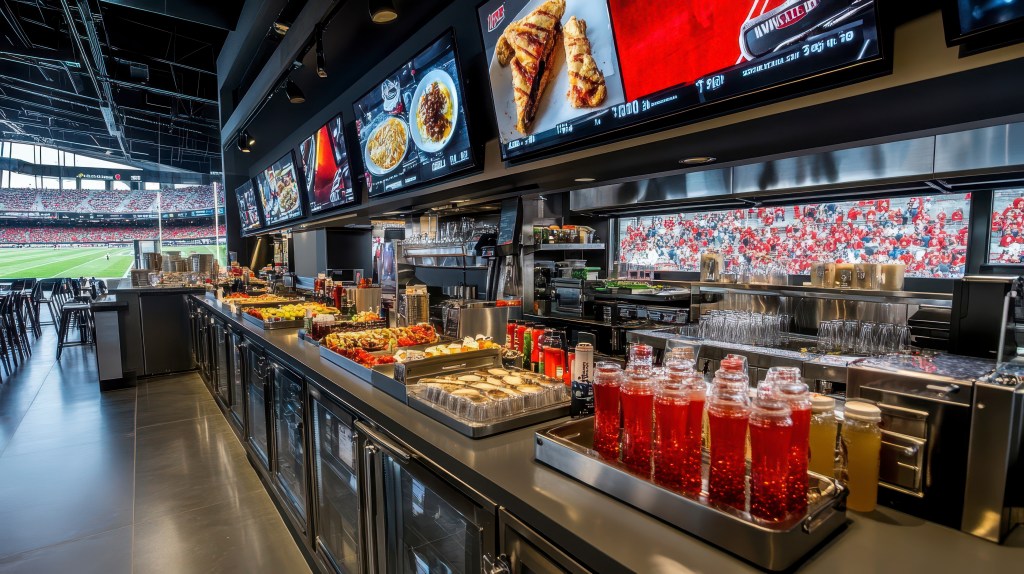
Step 7: Deep Reset Concession & Foodservice Areas (2-8 Hours After Event)
Concession and foodservice areas are another high-risk environment. Grease, sugar, protein soils, and moisture combine to create slip hazards, odors, germ hotspots, and pest attractants. This step restores the sanitary conditions you need for a successful operation—protecting food safety and the facility’s reputation.
Action Steps:
- Remove all trash using heavy-duty can liners. Clean and disinfect all waste containers.
- With a plastic scraper, remove any heavy food debris remaining on all food-contact surfaces.
- Clean and sanitize all food-contact surfaces. Use a food-safe cleaner, food-grade sanitizer, and microfiber cloths. Follow all listed dwell times.
- Clean all stainless steel surfaces. Use a non-abrasive stainless steel cleaner and polish with a clean microfiber cloth.
- Degrease the floors. Apply a heavy-duty degreaser to the floor with a flat mop or micro scrubber. Detail edges and corners with handheld scrub brushes.
- Empty and drain floor drain baskets. Treat drains with an enzyme cleaner to eliminate odors.
- Wipe all other surfaces. Wipe the exterior of all equipment, coolers, and POS stations with a neutral cleaner, followed by a sanitizer. Apply them with microfiber cloths.
Food residue oxidizes and hardens quickly, becoming harder to remove and creating foul odors. Grease buildup can increase slip risk and even become a fire hazard if not handled properly. Missed soils often attract pests and can create problems for health inspections.
Step 8: Deep Clean Seating Bowl (3-8 Hours After Event)
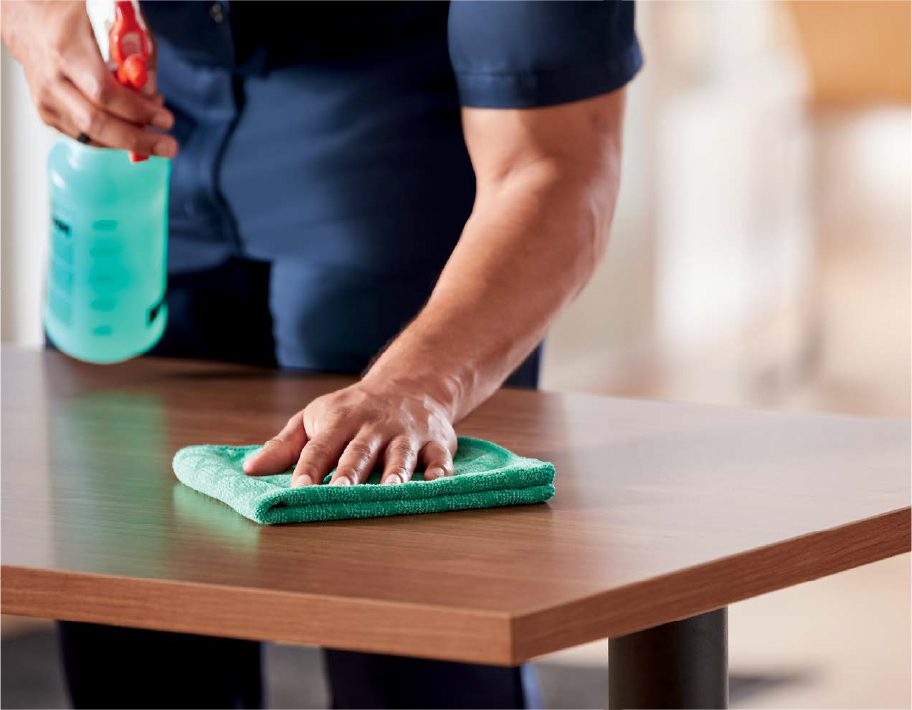
With the debris removed, crews can now focus on restoring the surfaces that eventgoers interact with most. Not only can this extend the life of your seating area, it also helps with presentation and perception for many events to come.
Action Steps:
- Spot clean seating. Spot clean plastic or vinyl seats with a neutral cleaner and microfiber cloths. For fabric seating, use portable extractors.
- Remove gum. Use an aerosol gum remover to solidify the gum and plastic scrapers to remove it.
- Disinfect seats and cupholders. Use disinfectant and microfiber cloths.
- Disinfect handrails. Use disinfectant and microfiber cloths.
- Pressure wash concrete seating decks. Use pressure washers with concrete cleaner and a wide angle tip to avoid surface damage. Use “Wet Floor” signage, wet/dry vacuums and air movers as needed to dry the area.
Body oils, spilled drinks and food, and UV exposure can all degrade seating materials. If these soils remain, staining sets in and the need for replacement becomes more likely. Clean seating is an important early impression for the guest experience.
Step 9: Reset Suites (3-8 Hours After Event)
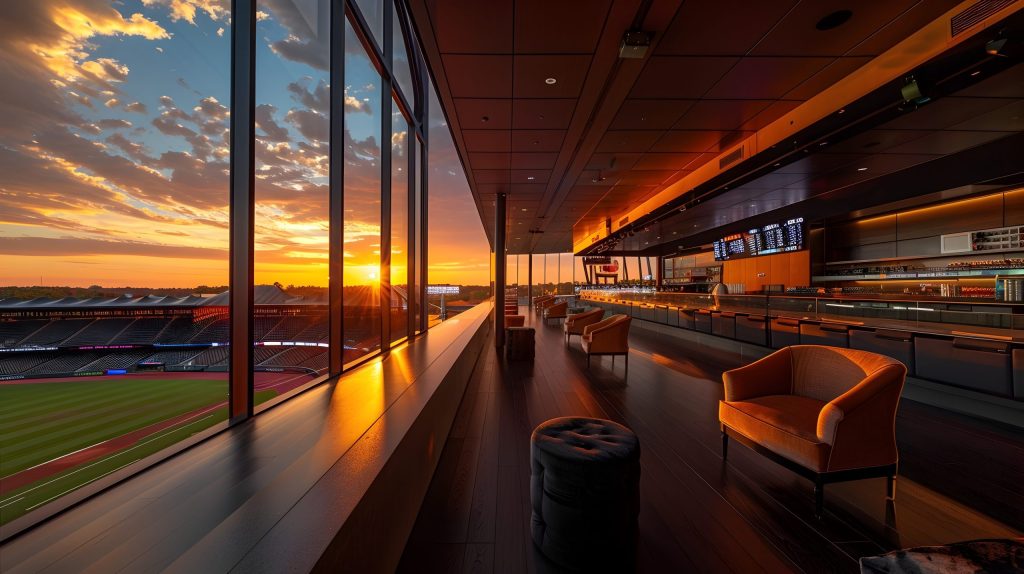
Suites should be treated as premium micro-venues as they contain small elements of many of the other areas of the arena. They can experience heavy soils as guests typically eat full meals and treat the space as their own private lounge for the duration of the event.
Action Steps:
- Remove all trash, including on the floors, under seats, behind furniture, and inside cabinets. Replace the trash liners in all receptacles. Bring all filled bags to a common collection point for efficient disposal.
- Take care of the food and beverage surfaces. Many suites are furnished with buffets, so there are counters, bar tops, tables, coolers, and cabinets that need to be cleaned and sanitized with a food-safe cleaner, food-grade sanitizer, and microfiber cloths. Pay attention to sticky drink rings and food spills.
- Clean the upholstery and other seating. Just like down in the bowl, spot clean plastic or vinyl seats with a neutral cleaner, disinfectant and microfiber cloths. For fabric seating, use portable extractors. Don’t forget to vacuum cushions and crevices with backpack vacuums.
- For carpeted floors, vacuum with backpack vacuums and spot treat stains with portable extractors.
- For hard floors, clean with a neutral floor cleaner and flat mops or micro scrubbers.
- For glass, partitions, and mirrors, use glass cleaner and microfiber cloths.
- Don’t forget electronics. Dust TVs and light fixtures with microfiber dusters. Disinfect remotes, touch panels, and switches with disinfecting wipes.
- If applicable, clean and disinfect private restrooms following the Full Restroom Recovery Clean process from Step 5.
Suites are high-revenue spaces. Guests paying premium rates expect hotel-level cleanliness. Missed food residue can create odor, attract pests, and damage furnishings. Poor suite cleanliness typically leads to fewer renewals, sponsorships, and premium ticket sales going forward.
Step 10: Clean Exterior Plaza and Entry Areas (3-10 Hours After Event)
Exterior areas are the very first impression of your facility and often fall under city cleanliness ordinances. Without a strong plan in place, litter from the event can travel far beyond the exit doors.
Action Steps:
- Pick up litter. Use litter grabbers and high-capacity rolling trash barrels to cover ground more efficiently.
- Use leaf blowers to low debris to a central collection point. Focus on corners and landscaping that can be more difficult to access. Once you have everything in one place, bag it all up and stage in a common pickup area.
- Empty all exterior trash cans. Replace all bags with heavy-duty can liners. Stage all filled bags in a common pickup area.
- Haul trash bags to dumpsters. Just like inside, use tilt trucks to grab many bags at a time and transport them directly to the compactor and dumpster area.
- Use pressure washers to clean all walkways. Focus on gum, spills, and stains using surface cleaner attachments and a concrete cleaner.
- Clean exterior glass. Use a glass cleaner and extension poles with squeegee heads to make sure you are hitting high and hard to reach areas.
Neglecting the exterior of your building can give the impression of poor facility management. Debris and stains can create slip hazards and lead to municipal complaints. Alternatively, clean entries help elevate brand perception before guests even step inside.
Step 11: Supervisor Post-Event Inspection (6-10 Hours After Event)
At this point, your facility should be reset. Follow all final cleaning procedures with a post-event inspection to ensure accountability and catch any misses before they can turn into guest-facing problems.
Action Steps:
- Walk through every area of the facility. Use a digital or printed inspection checklist to make sure all tasks are completed and acceptable.
- Double-check restrooms. Focus on odor and supply levels. Make sure the floors are completely dry and that all fixtures are cleaned and operational.
- Conduct a gloved hand test. Inspect critical areas like floors and foodservice areas. Look for any stickiness, dust, or debris left behind.
- Verify trash removal. Make sure all trash has been collected from common pickup areas. At this point, it should all be collected, compacted, and put into dumpsters for collection.
- Document any misses. Bring any deficiencies to the cleaning staff’s attention with documentation and photo evidence. Assign corrective tasks as needed.
- Confirm equipment is cleaned and stored properly. This extends the life of the equipment and ensures it is ready for the next time it’s used.
Without an inspection, you just assume the work has been completed. Any missed bio spills, sticky floors, or trash staging can become bigger problems for the next event and create more labor under tighter time constraints.
Step 12: Restock Carts, Closets, and Chemical Stations (6-12 Hours After Event)
Now that everything has been cleaned and inspected, it’s time to make sure you have everything you need for your next event. This helps the next shift start ready to go and makes sure they aren’t left scrambling.
Action Steps:
- Restock the essentials. Refill janitor carts with trash and recycling liners, microfiber cloths, and PPE.
- Restore chemicals. Use a closed-loop dispensing system, spray bottles and labeled secondary containers. Place frequently used chemical bottles right onto the janitor carts.
- Charge all battery-powered equipment. This makes sure the equipment is ready to go as soon as it’s needed.
- Complete equipment preventative maintenance. Replace all worn or damaged floor pads and squeegee blades as needed. Make sure they are stored off the floor so they don’t deform.
- Organize storage shelves. Install a first in, first out (FIFO) system so older cleaning chemicals and supplies are used before newer inventory. This helps make sure products are used before their expiration dates and reduces waste.
Supply shortages can delay response time and increase wasted labor. Organize your carts, closets, and chemical stations to improve efficiency and chemical safety.
Before the Next Event
Now we shift our focus and timeline from “how much time has passed since the end of the previous event” to “how much time until the doors open for the next event.” These next 6 steps can begin as early as 48 hours before the start of the next event, but most take place in the last 6 hours. They allow you to put the finishing touches together so that everything runs smoothly for the Event Operations steps coming ahead.
Step 1: Assign Cleaning Zones and Crew Leads (24-48 Hours Before Next Event)
Clear ownership of specific areas during the event improves coverage and efficiency; it also helps prevent overlap and missed areas.
Action Steps:
- Divide the venue. Split it into specific zones (restrooms, seating areas, concourses, etc.)
- Assign crew leads. Make sure each area has a crew lead to streamline task coverage and completion.
- Charge all battery-powered equipment. This makes sure the equipment is ready to go as soon as it’s needed.
- Adjust staffing. Different kinds of events have different staffing requirements. Consider the expected traffic and how well attendants are expected to behave and adjust your staffing accordingly.
- Share communication channels. Make sure all crew leads have access to and know how to use radios and apps.
Having a clear plan established and communicated ahead of time creates consistency; it makes sure staff can adjust quickly as needed and helps reduce duplicated effort in some areas and neglect in others.
Step 2: Stage Equipment and Supplies by Zone (12-24 Hours Before Next Event)
Pre-staging all needed equipment and supplies eliminates confusion and wasted movement during the event. You’ll have exactly what you need, wherever you need it, and whenever you need it.
Action Steps:
- Deliver equipment. Make sure each zone storage area has the automatic floor scrubbers, backpack vacuums, janitor carts, and cleaning tools they need for the event.
- Prepare chemicals. Double-check that chemical bottles and mop buckets are pre-filled and ready to go.
- Prepare for bodily fluid spill response. Stage spare “Wet Floor” signage, spill kits, and biohazard spill kits. Make sure your chosen staff is comfortable using them if they need to.
Having everything ready to go ahead of time increases productivity during the event and reduces response time in time-sensitive situations.
Step 3: Clean High-Visibility Surfaces (2–6 Hours Before Doors Open)
Highly visible surfaces like doors, windows, and floors, can influence guest perception as soon as they walk through the door. Even if your windows are cleaned properly, fingerprints, smudges, and dust can reflect negatively on your brand. This step is all about making high-touchpoints and sightlines gleam.
Action Steps:
- Clean glass surfaces. Focus on doors, windows, transom windows, and elevators. Wipe with glass cleaner and clean microfiber cloths. Use extension poles as needed for high and hard-to-reach areas.
- Wipe high-touch surfaces. Streamline the process by using one-step disinfecting wipes. Focus on handrails, door handles, banisters, kiosks, and elevator buttons.
- Inspect for smudges. Look for any streaks or visible residue left behind from the cleaning process. Use the appropriate cleaner and microfiber cloths for the surface.
High-visibility cleaning helps you make sure that guests’ first impression of your facility matches the operational standards that go into keeping it clean.
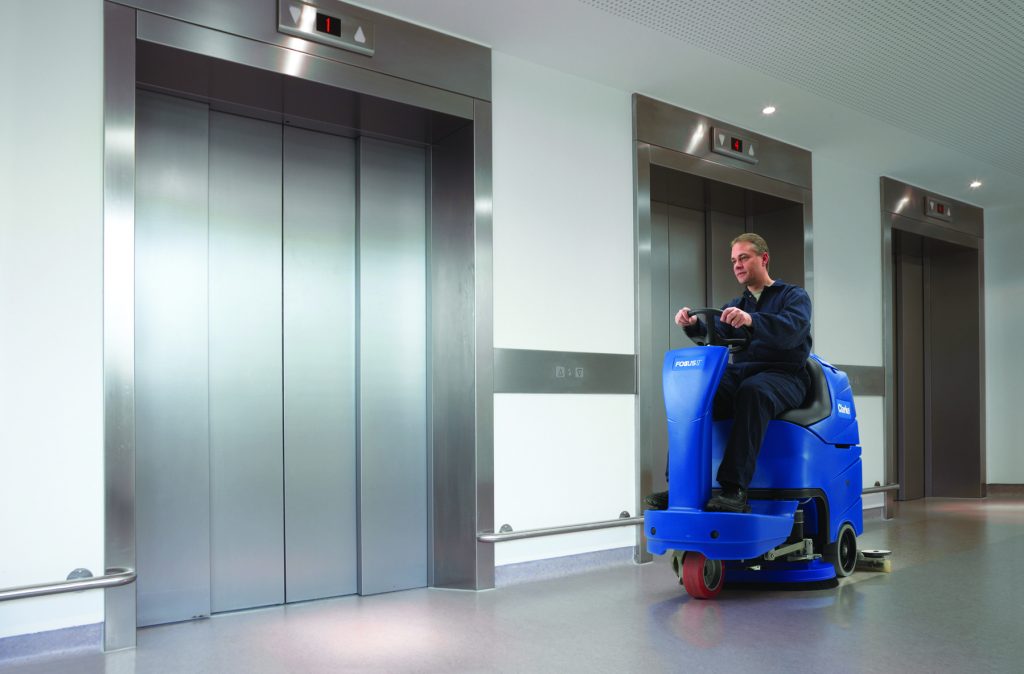
Step 4: Floor Safety Prep and Matting Setup (2-6 Hours Before Doors Open)
Especially if you are expecting inclement weather, entryway and concourse floor prep protects both guests and cleaning labor. Having the proper matting and hazard signage in place can all help reduce soil migration, moisture tracking, and slips.
Action Steps:
- Inspect matting. Look for curled edges, wet spots, stains, or trip hazards. Replace or reposition as needed.
- Deploy matting. Entryway mats and runner mats should be placed at all entry and exit points.
- Make sure mats are aligned. Focus on covering high-traffic paths and secure them with tape or mat grippers as needed.
- Prep exterior mats. Remove debris and shake exterior mats out before using them.
Mats are the first and strongest line of defense against tracked-in soil. Poorly deployed or wet mats can create slipping hazards and create additional cleaning needs during the event.
Step 5: Restroom Pre-Event Reset (1-4 Hours Before Doors Open)
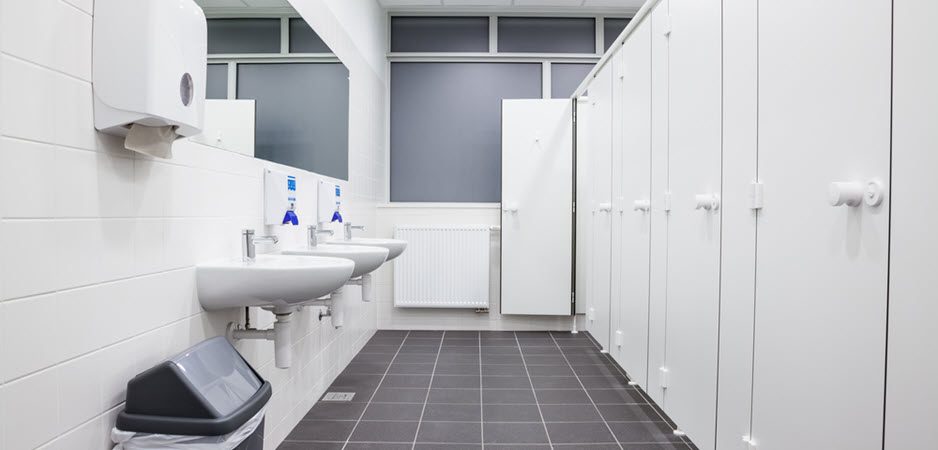
As we established in earlier steps, restrooms are highly scrutinized spaces. A full pre-event reset helps you make sure they stay clean and functional, even during peak event traffic.
Action Steps:
- Disinfect all high-touch surfaces. Focus on stall doors, handles, faucets, and dispensers. Freshen them with one step disinfecting wipes.
- Double-check the floors. Spot mop any soils and make sure grout lines are free of residue.
- Refill consumable products. Make sure toilet tissue, paper towel, hand soap, feminine hygiene, and air freshener dispensers are completely filled with fresh product. Replace trash liners and stage extra liners as needed.
- Check for any facility issues. Foul odors, pooling water, and clogged toilets should be addressed immediately.
A poorly stocked or dirty restroom, especially right at the start of an event, can lead to guest complaints, extra labor, and potential safety hazards. A final check helps the venue maintain a high standard of hygiene from the first guest to the last.
Step 6: Line Trash Receptacles and Stage Extra Liners (1-3 Hours Before Doors Open)
This step helps create seamless waste management during the event. When your receptacles are properly prepared, it reduces the need for emergency swaps and helps prevent overflowing.

Action Steps:
- Pre-line all heavy-traffic bins. Focus on receptacles in the concourse, restrooms, and near concessions and exits. Make sure liners are color-coded for their intended waste stream and bins are clearly marked.
- Stage extra trash liners. Have extra liners on hand in nearby service closets and concession areas for quick response.
- Verify receptacles are functional. Inspect them for damage and make sure lids, flaps, and push doors are functioning properly. Repair or replace as needed.
- Assign a crew. Have a crew solely dedicated to monitoring and servicing high-volume bins during the event.
In-Event Operations
The time has come for guests to start arriving. This is when your facility needs to look and function at its best. These last 5 steps will take you through the end of the event, where the cycle begins and Step 1 again. This section focuses on guest perception, rapid response times, and creating a safe and fun environment for all attendees.
Step 1: Deploy Restroom Attendants (Doors Open Through End of Event)
Continuous restroom monitoring and fast response helps keep your facility operational and hygienic under heavy traffic.
Action Steps:
- Station attendants. Have specific staff members stationed in and around high-traffic restrooms. Make sure they have easy and quick access to all of the materials and tools they might need.
- Perform hourly touchpoint cleaning. Focus on door handles, stall latches, faucets, dispensers, and counters. Quickly hit them with disinfecting wipes.
- Restock consumables continuously. Always be ready to refresh toilet tissue, paper towel, and hand soap. Make sure they are restocked before they completely run out for a seamless guest restroom experience.
- Spot clean as needed. Spot mop any spills, soils, or wet spots as they occur.
- Report maintenance issues. Monitor drains for pooling or clogs and report them immediately to facilities management.
Having restroom attendants on standby helps prevent deterioration, maintain a perception of cleanliness, and reduce the need for emergency deep cleans during or after the event.
Step 2: Concourse Patrol Cleaning Loops (Doors Open Through End of Event)
Ongoing concourse cleaning and maintenance helps maintain order, guest safety, and visual appeal in real time.
Action Steps:
- Conduct scheduled loops. Have a designated crew for making rounds in the concourse. Equip them with brooms, lobby dust pans, and disinfecting wipes. Focus on high-traffic areas, concession areas, and entrances/exits.
- Spot mop spills immediately. Food and beverage spills can create an immediate slipping hazard, and can become hard or sticky if they are not dealt with right away. Have a response plan for bodily fluid spills (more on this in Step 22).
- Spot clean as needed. Spot mop any spills, soils, or wet spots as they occur.
- Be flexible and adjust as needed. Place or reposition matting, signage, barriers, etc. if needed.
A clean-looking concourse affects guest perception and helps prevent spills from becoming bigger issues. Regular loops can also help reduce post-event cleanup time.
Step 3: Trash and Recycling Rotations (Doors Open Through End of Event)
Just like in restrooms and the concourse, have a dedicated crew for managing trash and recycling. Waste is constantly generated, and a proactive approach helps you manage it effectively and prevent overflows.
Action Steps:
- Monitor bins continuously. Make sure bags aren’t too full and if they are, be ready to swap them out with staged backup liners. The key is to replace the trash liners before they are completely filled.
- Transport filled bags immediately. Have someone ready at any given time to make a run to a common, hidden collection point.
- Separate waste streams. Follow facility waste management policies for separating recyclables from landfill waste.
- Clean bins on the go. Be ready to clean and disinfect receptacles as sticky residues and spills are found.
Step 4: High-Touchpoint Disinfection (Doors Open Through End of Event)
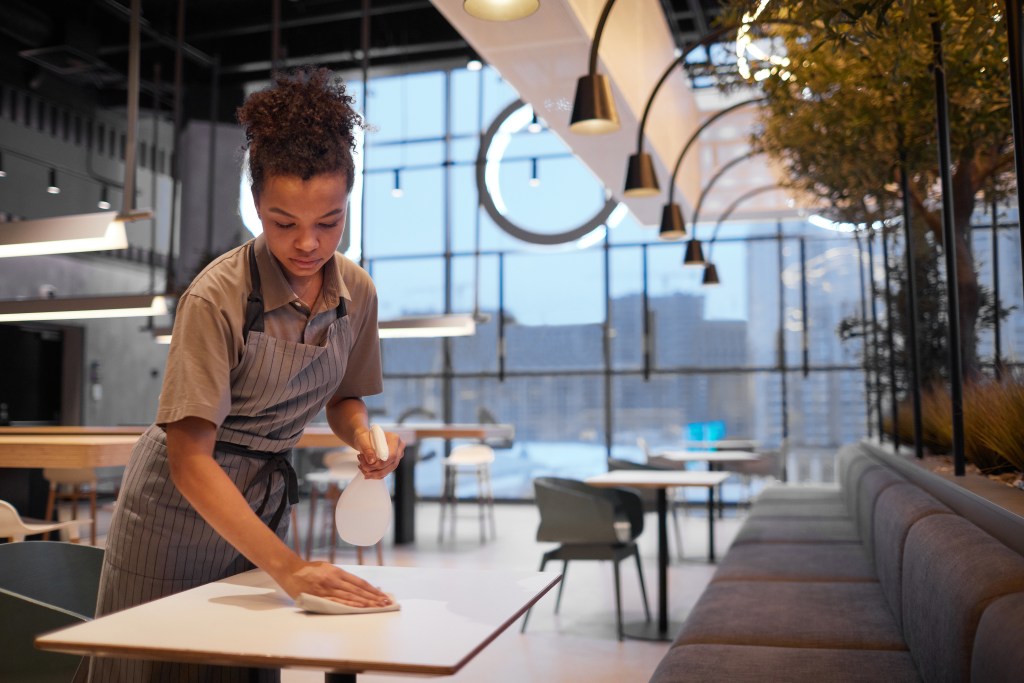
While the general patrol teams we’ve covered handle visible soils and trash, this one focuses specifically on reducing the buildup of germs on the surfaces thousands of hands are touching every hour. Not only is this an important health protection measure, it’s also highly visible, which reassures your guests.
Action Steps:
- Equip your team. Make sure they have the disinfecting wipes, labeled spray bottles, and color-coded microfiber cloths they need.
- Follow a scheduled rotation. High-touch surfaces should be disinfected every 30-60 minutes when traffic is this high.
- Follow proper dwell time. There is a time listed on the product label. Surfaces must remain visibly wet for that amount of time for the disinfectant to work.
- Don’t spray directly onto electronics. Instead, apply disinfectant to your cloth first and then use it on screens or control panels.
- Communicate with patrol teams. This helps prevent overlap and ensures full coverage of all assigned areas.
Priority Areas:
- Handrails on stairs, ramps, and escalators
- Elevator buttons
- Door handles and push bars
- Concession counters and payment kiosks
- Touch screens
- Interactive in-arena exhibits
- Restroom entry doors and stall latches
- Suite-level railings and ledges
Without routine disinfection, germs can spread quickly and guest confidence will likely drop. Visible touchpoint cleaning reassures attendees that the venue prioritizes their health and safety.
Step 5: Spill and Biohazard Response (As Needed During Event)
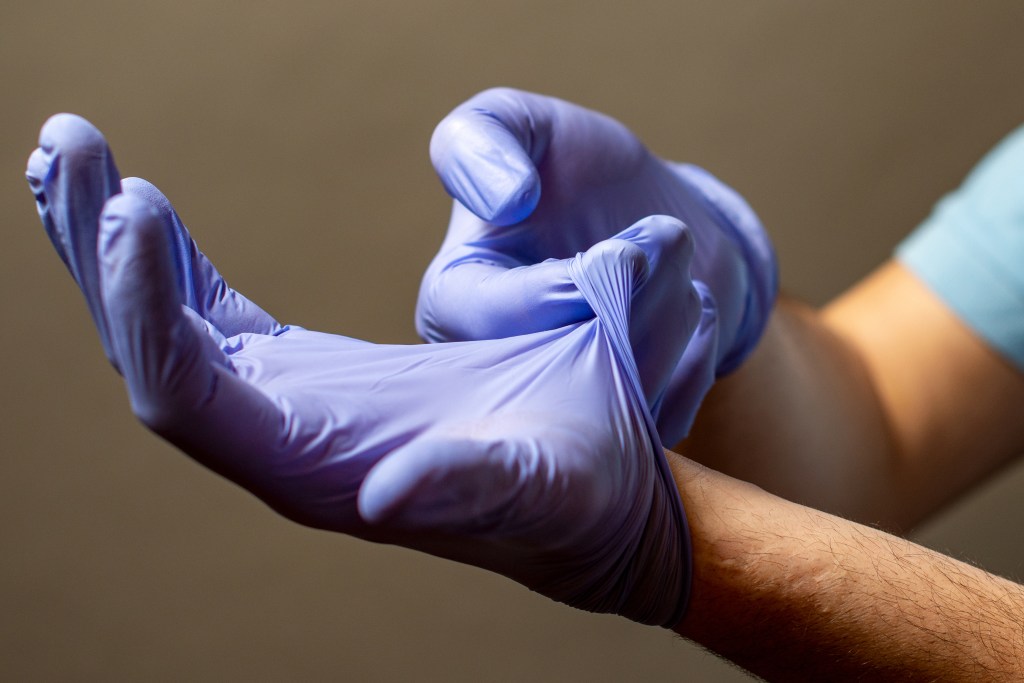
Spills and bio incidents are unpredictable, but the response needs to be immediate, controlled, and consistent. This protects guests, staff, and the venue from injury risk, health exposure and liability.
Action Steps:
- Respond immediately. Have dedicated spill response kits on hand that include absorbent powder, disposable towels, a scraper, biohazard bags, and disinfectant.
- Secure the area. Use “wet floor” signs, cones, or temporary barriers to redirect traffic
- Wear the proper PPE. PPE should be worn for all cleaning tasks, but you need to go above and beyond for bodily fluid spills. Wear disposable gloves, eye protection or a face shield, and a gown or apron, especially if there is any splash risk.
- For standard liquid (oil, solvent, chemical, etc) spills:
- Open the spill kit, apply the absorbent powder, and allow the spill to solidify
- Remove the material with a plastic scraper and dispose of it in a trash bag.
- Clean any remaining residue with a neutral cleaner.
- For biohazard spills:
- Open the biohazard spill kit and cover the spill with absorbent material.
- Use the included disposable scraper to collect the waste.
- Dispose of all contaminated materials in clearly marked biohazard bags.
- Thoroughly clean and disinfect the area with a neutral cleaner and a healthcare-grade disinfectant. Rinse with clean water.
- Document the details. Record the incident per facility protocol and immediately notify supervisors.
Unattended spills are one of the top causes of injuries in large venues. Biohazards also carry disease transmission risk and regulatory implications. A fast, visible, and organized response helps protect guests, reduces liability, and can help prevent incidents from turning into medical emergencies or viral social media posts.
Final Thoughts
A packed stadium arena can generate tons of waste, thousands of touchpoints, and nonstop wear on surfaces over the course of just a few hours. The difference between a smooth turnaround and a chaotic scramble is a clear, detailed plan executed at the right times by properly equipped teams.
When every step happens on schedule, from the first post-event trash sweep to the final restroom check, you protect guest safety, help extend the life of your facility, and deliver the kind of experience that keeps fans, artists, and teams coming back.
Need help tightening up your event-day cleaning operation? Reach out to Imperial Brady! Our specialists can come out for a free consultation and help you find the right processes, tools, and materials you need to keep your venue event-ready all season long.
Check Out These Related Articles:
- #1 Way to Avoid Paper Towel and Toilet Tissue Stock Outs in Your High Traffic Restroom
- Best Practices for Restroom Trash and Feminine Hygiene Receptacle Cleaning
- IoT & Smart Restroom Management Systems: Which is Right For Your Business?
- How to Protect Carpet in High-Traffic Areas
- 10 Most Common Restroom Complaints and How to Solve Them
- Commercial Floor Scrubber Guide: Expert Tips, Dos, and Don’ts
- Industrial Floor Sweepers 101: Everything You Need to Know
- How to Choose the Right Size Janitorial Equipment for Your Facility
- Commercial Odor Control Systems: How to Eliminate Bathroom Odors


