Foodservice & Kitchen Operations
The Ultimate Guide to Choosing the Right Size Take-Out Containers
July 10, 2025
Discover how to choose the right size takeout containers for your restaurant, catering, or retail foodservice operation. Improve food quality, reduce waste, and boost customer satisfaction with smart container sizing strategies.
With nearly 75% of restaurant orders now happening off-premises, per the National Restaurant Association, packaging has become your silent salesperson. And whether it’s curbside pickup, third-party delivery, or grab-and-go retail sales, one crucial component often overlooked is the size of the take out container.
Selecting the correct take out container size is about more than just fitting your food items into a box; it can directly impact food presentation, customer satisfaction, portion control, operational efficiency, and may even affect your bottom line.
In this comprehensive article, we’ll walk through the key factors to consider when choosing the right size take out containers for your foodservice business.
Let’s get started!
Why Container Size Matters in Commercial Foodservice
Choosing the right take out container size can have several practical and financial implications:
- Maintains food quality and appearance: A well-sized container helps keep food intact and visually appealing, preventing items from shifting, squishing, or spilling during transport.
- Controls portions and food costs: Using the appropriate container size can help standardize portions, which supports cost control and ensures customers consistently get what they expect.
- Reduces waste and improves sustainability: Right-sizing can reduce excess packaging and eliminate the need for double containers, helping your operation cut down on material use and waste.
- Improves stackability and storage: Containers that are properly sized and consistently shaped may make it easier to store and stack items efficiently, both in the kitchen and during delivery.
- Enhances the customer experience: When food arrives neatly packaged in a just-right container, customers are more likely to view the meal as fresh, generous, and professionally prepared.
Using containers that are too small can lead to squashed food and leakage. Containers that are too large may give the impression of skimpy portions and can increase packaging costs unnecessarily.
Now that we know why container size matters, let’s get into some common container sizes and their best uses.
Common Container Size Ranges and Best Uses
Here are some of the most common foodservice take out container sizes and what they are often used for:
CONTAINER SIZECOMMON USE CASEIDEAL FOR4 oz – 8 ozSauces, dressings, small sidesCondiments, dips, desserts12 oz – 16 ozSmall entrees, soups, sidesPasta, rice bowls, mac & cheese24 oz – 32 ozStandard entree portionsSalads, grain bowls, poke, stir-fry40 oz – 48 ozLarge entrees or mealsCombos, family-style servings60 oz – 100 ozCatering portionsShareables, trays, pasta
While these are typically the most common sizes you’ll come across in foodservice, there are many others in between to best serve a variety of needs.
Though size is a significant factor to consider when selecting a container, there are many others that can also make or break your decision.
You should also consider factors and ask questions like:
- Material: What is the container made of?
- Durability: Is the container strong enough to withstand handling and transport?
- Shape: Does the food look presentable in the container?
- Compartments: Does the container have enough compartments to keep foods separated?
- Temperature Control: Does the container keep hot food hot or cold food cold?
- Sustainability: What is the environmental impact of using certain containers?
- Design/Branding: Does the container’s design align with the establishment’s brand image and values?
Considering all of these factors can help you make the best and most educated take out container decision for your foodservice establishment.
How to Choose the Right Size Take Out Containers
To choose the right size take out container for your foodservice establishment, consider factors like the type and portion size of the food you are serving, delivery method and transportation, and storage and stacking efficiency.
Smaller containers will work well for desserts and sides, while larger sizes are ideal for entrees, combos, and larger meals.
Some of the factors below might not seem directly related to container size at first, but size can have a profound impact on all of them. Take food temperature, for example; you might focus on the container’s material first, but the right container size plays an equally important role in getting it right.
Let’s look at the most important factors to help you select the right size for each application:
- 1. Menu Items and Portion Size
- 2. Food Temperature and Type
- 3. Customer Experience
- 4. SIngle vs. Multi-Compartment Needs
- 5. Delivery Method and Transportation
- 6. Storage and Stacking Efficiency
- 7. Sustainability Goals
- 8. Branding and Presentation
- 9. Cost and Vendor Options
1. Menu Items and Portion Size
The first and most important consideration is the type of food your establishment serves and your portion size. Your menu selection should dictate container selection more than any other factor.
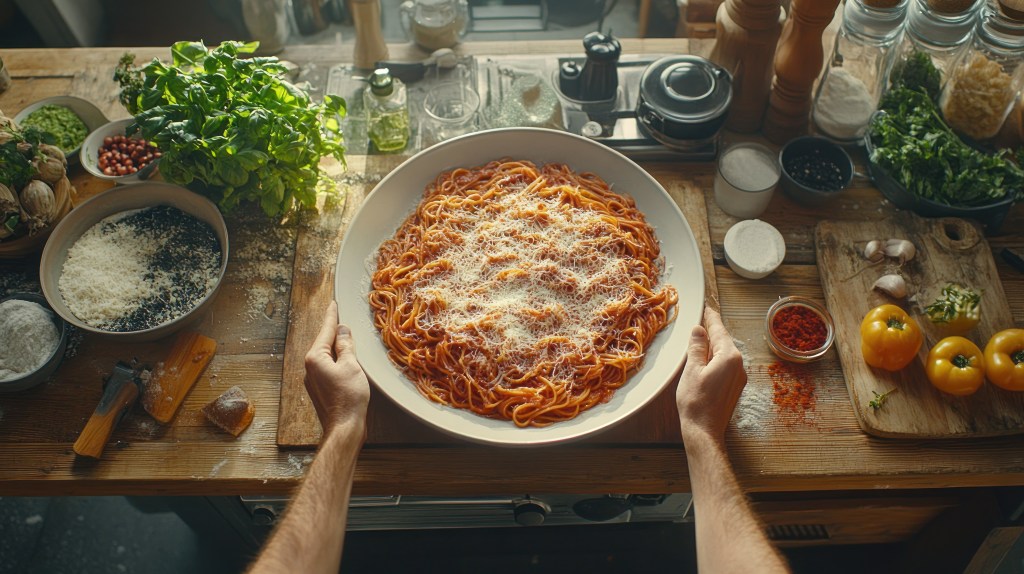
For Example: If you are portioning 12 oz of spaghetti, look for a leak-resistant 16 oz container to allow headspace and avoid spillage. For a large chopped salad with protein and toppings, a 32 oz bowl with a domed lid may be more appropriate and helps avoid squishing greens.
Key Considerations:
- Volume of food per serving: A pasta dish with sauce will need greater capacity than a grilled sandwich or sushi roll.
- Food shape and structure: Flat items (like quesadillas or pizza slices) may require shallow containers, while salads and layered items (like poke bowls or desserts) will likely need deeper container options.
- Sides vs. entrees: Sides and sauces often need smaller containers, such as 4 oz to 8 oz cups, while entrees typically need 24 oz to 48 oz containers.
- Portion consistency: Standardizing portion sizes helps you match food volume to container volume more precisely, reducing guesswork and potentially lowering costs.
2. Food Temperature and Type
Hot vs. cold food influences both the size and the material of the container, but temperature can also affect how much space you need.
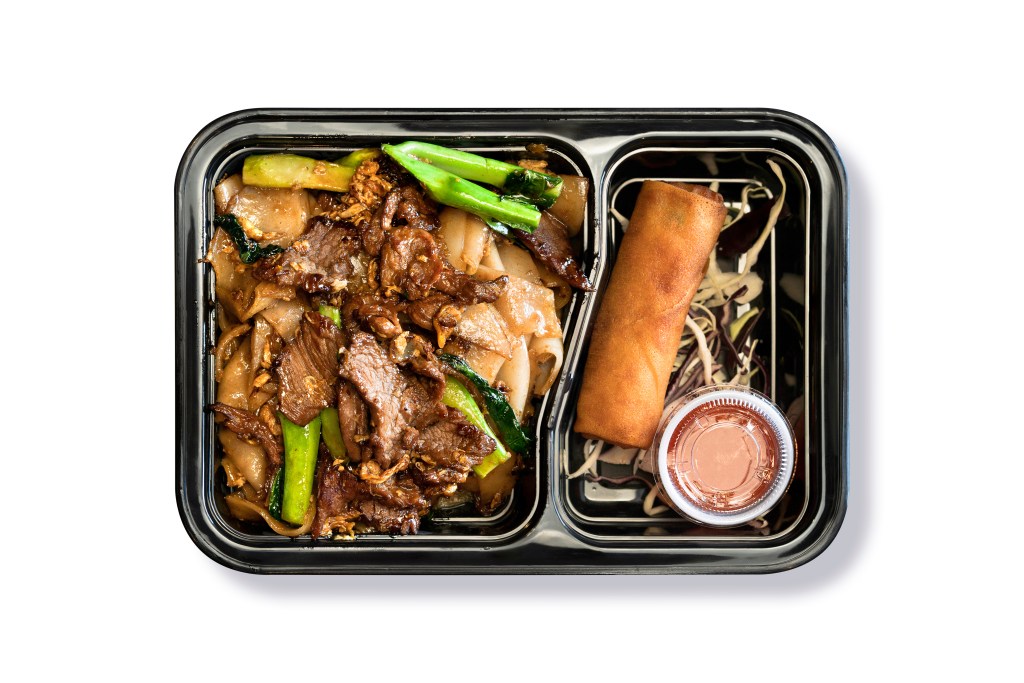
Food temperature can influence the size of a takeout container because the temperature can cause the container material to expand or contract, potentially leading to changes in its shape or size. If the food is too hot or too cold, it can also put stress on the container, leading to deformation or even breakage.
For Example: Certain foods, like soups, curries, and rice bowls, benefit from insulated containers that maintain heat and resist deformation from high temps. Cold options, like sandwiches or wraps, do well in flatter, form-fitting containers. For fried foods like chicken tenders or egg rolls, choose containers with vented lids or crisp-saving inserts to reduce sogginess from steam.
Hot Food:
- Needs a ventilated container to avoid sogginess (especially for fried foods)
- May expand slightly with steam
- Containers may require extra depth for layered items or insulation
Cold Food:
- Often served in bowls or clamshells (e.g., salads, cold pasta)
- Space should allow for toppings, lids, and dressings on the side
3. Customer Experience
Another very important consideration is the customer’s experience. The right container size doesn’t just protect your food, it can also help shape how customers perceive your portions, quality, and brand. A poorly matched container may leave customers disappointed, while a well-fitted one can boost satisfaction and loyalty.
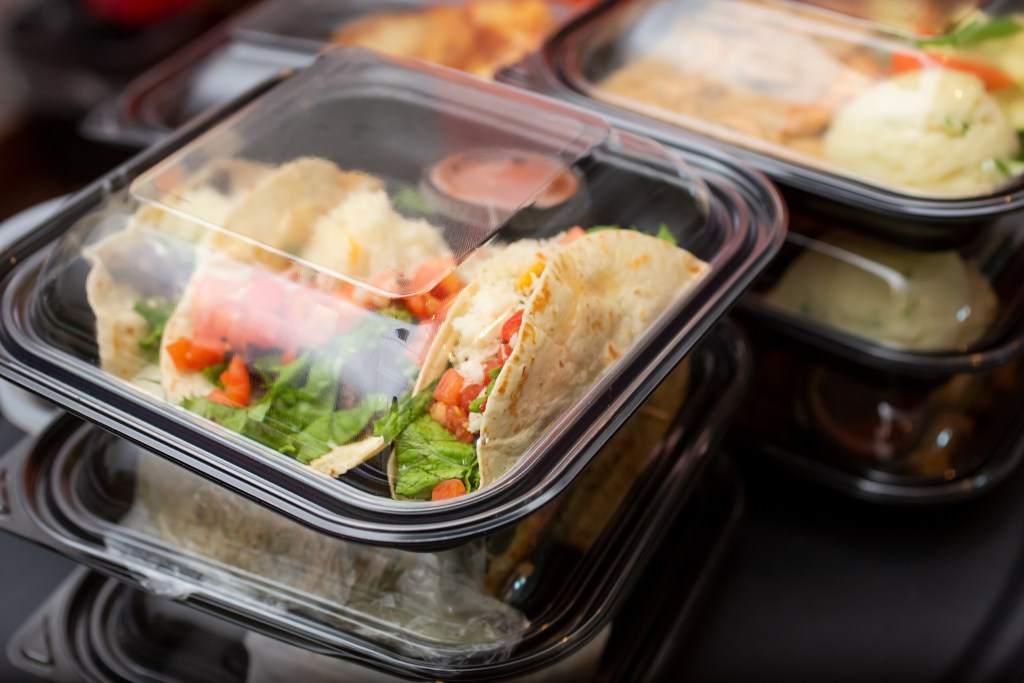
For Example: If you’re serving a classic burger and fries combo, packing it into a 32 oz multi-compartment container keeps the burger from steaming the fries and helps everything look full and appetizing. On the other hand, if you place the same meal into an oversized 64 oz container, it can look sparse, give the impression of a skimpy serving, and potentially hurt perceived value.
Key Considerations:
- Visual impact: A container that’s too large can make portions look small and underwhelming. For example, serving a modest pasta portion in a 48 oz bowl may make it seem sparse, while a 24 oz bowl presents it as hearty and satisfying.
- Easy eating: If food is crammed into a container that’s too small, like stuffing a large sandwich into a tight clamshell, customers might struggle to eat it neatly, leading to frustration (and messy laps).
- Unboxing experience: Right-sized containers that showcase the food, such as clear-topped bowls for vibrant salads or poke, create a sense of anticipation and quality when customers open them.
- Leak protection: Overfilled or underfilled containers can leak or shift during transport. For example, a saucy entrée in a too-small container may ooze out the sides, while too much empty space lets contents tumble around.
Pro Tip: Spend time understanding exactly what you’re packing and how your customers like to enjoy it. Run quick tests with different container sizes and get feedback from your staff and customers. Sometimes even small tweaks in packaging can make a big impact on satisfaction and repeat business.
4. Single vs. Multi-Compartment Needs
If you’re serving meals that include an entree and sides, you’ll need to determine whether to use one container with multiple compartments or several smaller single-compartment containers.


