
Cleaning & Janitorial
6 Ways to Improve the Guest Experience in Your Hospitality Operation
January 29, 2026
Learn six practical ways hotels can improve the guest experience through better housekeeping, cleaning, food safety, restroom care, and staff training.
A guest might forgive a small room or outdated décor, but they won’t forget a dirty restroom, a sticky breakfast table, a strand of hair left behind, or a room that smells off.
Guest expectations are higher and less forgiving than ever before. First impressions in your lobby, restrooms, and guest rooms are crucial. Online reviews move fast. One missed cleaning or one empty soap dispenser can show up in a public review before your team even knows there’s an issue.
What many hotel managers miss is that some of the most important guest experience drivers happen behind the scenes. The products you use, systems you rely on, and consistency of your cleaning, housekeeping, and foodservice operations can all play a significant role in the perception and reputation of your property.
In this article, we’ll cover 6 impactful ways to improve the guest experience:
- Standardize Cleaning in High-Traffic Areas
- Create Consistency with Better Housekeeping
- Keep Restrooms Clean, Stocked, and Documented
- Strengthen Foodservice Safety and Sanitation
- Fix Odors at the Source
- Support Your Staff with Standardized Tools and Training
These areas quietly influence guest perception every day, and when these systems work well, guests feel comfortable, confident, and cared for.
1. Standardize Cleaning in High Traffic Areas
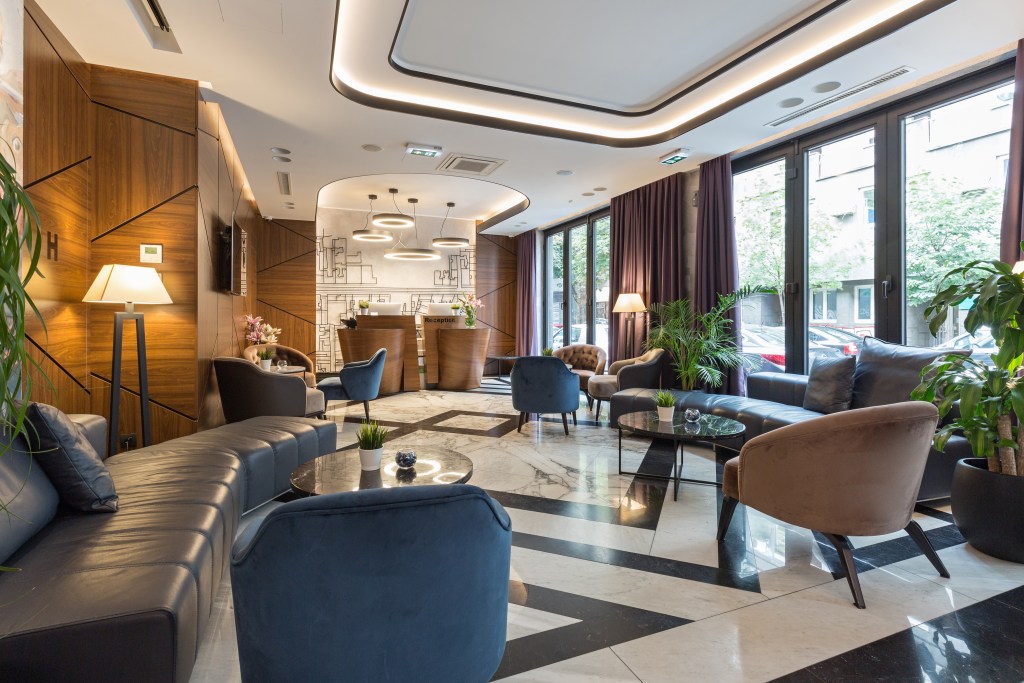
Guests don’t consciously track how often your lobby is cleaned, but they’ll likely notice when it isn’t. Smudged glass doors, dull floors, sticky elevator buttons, and dusty baseboards send a quiet but powerful message: this place isn’t on top of things.
The biggest issue most hotels face here isn’t a lack of effort—it’s inconsistency.
Problem: Cleaning is Inconsistent Across Shifts
In many hotels, cleaning depends heavily on who is working. Different shifts clean differently. One shift is thorough and detail-oriented, while another only focuses on visible messes. Over time, that inconsistency shows and guests begin to notice.
The Fix:
The solution here is to clearly define what “clean” means for each area and standardize the process. High-traffic areas like lobbies, elevators, restrooms, fitness centers, and breakfast areas should have clearly defined cleaning expectations that are tied to traffic volume, not just the time of day or individual preference.
That means establishing how often each surface is cleaned and with what, based on guest flow, and holding your entire staff to that same standard.
Using the same disinfectants and tools across all shifts can help reduce guesswork and leads to more consistent results. When every team follows the same process with the same tools, cleanliness becomes more predictable, which can build guest confidence.
Problem: High-Touch Areas Not Being Cleaned Often Enough
High-touchpoint cleaning is not a once-per-day task. Surfaces like elevator buttons, door handles, and check-in counters can see hundreds of touches per day, especially during peak check-in hours.
The Fix:
Shift your team’s focus from time-based cleaning to traffic-based cleaning. Identify when your peak traffic windows happen and schedule quick wipedowns of your high-contact surfaces during and right after those periods.
Fast-drying disinfectant sprays or wipes designed for frequent use, like Purell® Surface Disinfecting Wipes, make it realistic to maintain high-touch areas multiple times per shift without leaving strong odors behind or disrupting traffic flow.
In most cases, short, frequent cleanings are more effective than one deep clean when it comes to guest-facing touch points.
Problem: Cross-Contamination Between Areas
Without clear systems in place, cleaning tools can easily move between spaces where they don’t belong. A cloth used in a restroom might end up wiping lobby furniture. Even when these surfaces look clean, this can create real sanitation risks.
The Fix:
Color-coding your tools and microfiber cloths is a game changer. When standards are in place and staff clearly knows which tools are for restrooms, food areas, or front-of-house surfaces, cross-contamination drops and confidence goes up.
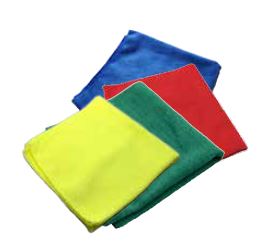
The most common colors are red, yellow, blue, and green. While there are no set standards for a color-coded cleaning program, many businesses follow this general guideline:
- Red: High risk areas and disinfecting (restroom only)
- Examples: toilets, urinals, trash receptacles
- Yellow: Medium risk areas (restroom only)
- Examples: sinks, soap dispensers, door handles
- Blue: Medium risk areas (outside the restroom)
- Examples: glass, door handles, elevator buttons
- Green: Low risk areas and food prep (outside the restroom)
- Examples: food prep counters, desks, computer keyboards
Pair this with staff training that explains why these systems matter, not just how to use them. When employees understand the health risks tied to cross-contamination, compliance tends to improve.
The result is a cleaner, safer environment that guests can trust.
2. Create Consistency with Better Housekeeping
Guest rooms are the main reason why guests are coming to your establishment. As the most personal space in a hotel, it only makes sense that expectations are highest and tolerance for issues is lowest in these areas. Even one missed detail in a guest’s room can outweigh ten things done right.
Problem: Time Pressure Leads to Missing Areas
The most common point of failure in room cleaning isn’t laziness, it’s time pressure. When turnovers are tight, smaller tasks tend to get rushed or even skipped entirely. Remote controls don’t get wiped. Shower corners don’t get a second look. Trash can liners get reused because “they still look fine.” While these aren’t huge mistakes on their own, together, they can create rooms that feel inconsistent and unfinished to guests.
The Fix:
Consistency starts with systems, not speed. Although a standardized room checklist sounds basic, they can dramatically reduce missed details and increase speed when they’re paired with the right products and cart setup.
Consider switching to fast-acting, no-rinse disinfectants designed for daily room turnover. Products like hydrogen peroxide or quaternary disinfectant sprays clean and disinfect in one step, which allows your staff to wipe remotes, switches, phones, and bathroom touchpoints quickly, without having to wait to rinse after the required dwell time.
Additionally, having tools that can perform multiple functions, like SC Johnson’s TruShot 2.0® Mobile Dispensing System, on hand can further increase cleaning speed and efficiency. This dilution dispenser features multiple easily interchangeable cartridges that can reduce the number of times you need to go back and forth to your cleaning cart.
If wiping a remote takes 5 seconds instead of a full minute, it gets cleaned much more often.
Problem: Inconsistent Cart Setups Create Variation
Another huge guest room problem starts before cleaning even begins. When housekeeping carts aren’t set up and stocked the same way, your staff will likely be forced to adjust on the fly. If liners run out, they reuse them. If the right cleaner isn’t on the cart, they substitute. Over time, this can lead to noticeable variation from room to room.
The Fix:
Standardized cart layouts eliminate most of the decision-making. When all of your carts have the same cleaners, microfiber cloths, trash can liners, and air care products, at an amount that accounts for the amount of traffic you expect, you can expect fewer shortcuts and faster room turns. Using clearly labeled bottles and closed-loop dilution systems also reduces variability.
You also can’t leave out training and preventative maintenance. Coordinate your housekeeping and maintenance teams to help you identify issues like worn flooring, loose fixtures, or ventilation problems before guests have the chance to report them.
When rooms feel fresh, clean, and thoughtfully prepared, guests can relax and feel like they matter. That alone can drive loyalty and create repeat stays.
3. Keep Restrooms Clean, Stocked, and Documented
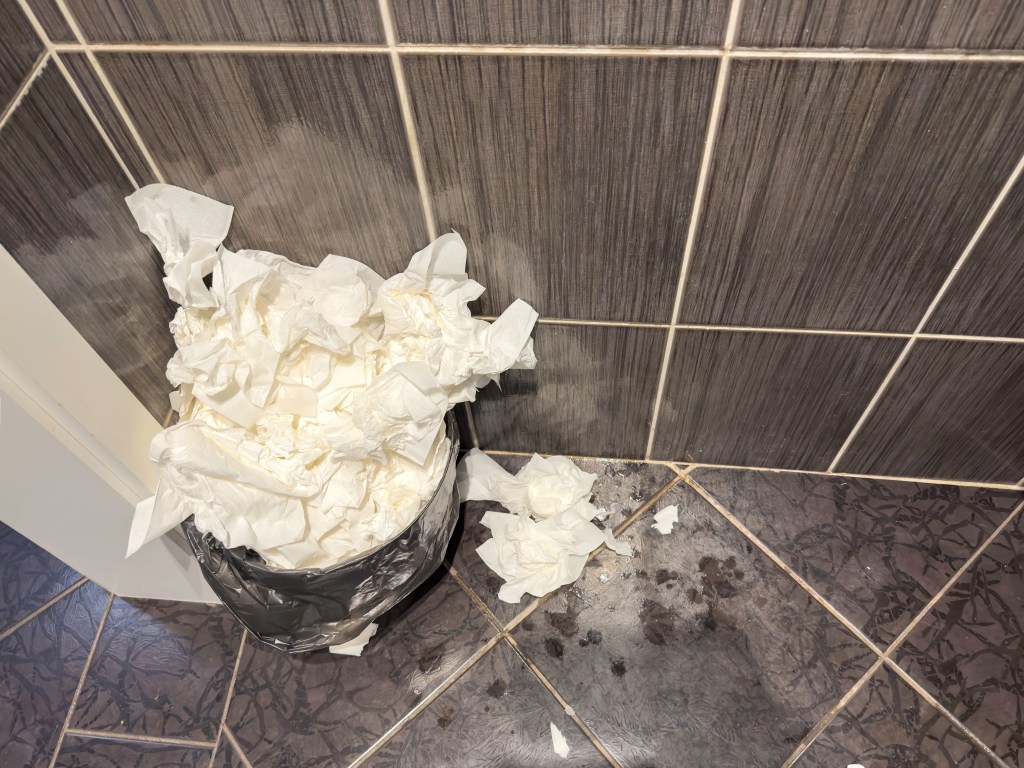
Public restrooms are one of the most unforgiving areas in a hotel. Though guests may tolerate small issues elsewhere, restroom problems almost always raise red flags. Here’s the worst part: most restroom failures are preventable with the right systems in place.
Problem: Restroom Care is Reactive, Not Preventative
Unfortunately, in many hotels, public restrooms only get attention after something goes wrong. A guest reports an empty soap dispenser. Someone notices a trash can overflowing. A sink or floor drain smells off. By the time your staff can respond, guest confidence and your reputation have already taken a hit.
The Fix:
Shift to preventative restroom maintenance built around higher-capacity dispensers, the right products, and consistent scheduling. High-capacity soap, towel, and toilet tissue dispensers reduce how often restocking is needed and helps prevent stockouts during peak traffic.
Pair those dispensers with restroom cleaners designed for heavy-use environments with organic soils. Acid-based bowl cleaners, like Victoria Bay 9% HCL Clinging Bowl Cleaner, help break down mineral buildup and stains in toilets and urinals, while restroom disinfectant cleaners handle the sinks, counters, and partitions without damaging them.
Bring it all together with a scheduled restroom check rotation tied to traffic volume, not just the time of the day. During high-use periods like breakfast service or events, restrooms should be checked and refreshed much more frequently, even if they look fine.
Every time maintenance is performed, have your staff record their work in a restroom cleaning log. Including their name or initials, the time and date the service occurred, and the specific maintenance completed not only creates accountability, it also establishes a rhythm and helps with compliance.
A restroom that’s checked before it needs help has a much lower chance of becoming a guest complaint.
Problem: Restroom Supplies Run Out at the Worst Times
Few things will frustrate your guests faster than an empty soap dispenser, no paper towels, or trash overflowing in your restroom. Like clockwork, these issues tend to happen during rushes when your staff is least able to respond quickly.
The Fix:
Design your restroom so that it’s harder to run out of things. High-capacity soap, towel, and toilet tissue dispensers, like Tork PeakServe Continuous™ Paper Towel Dispenser, for example, can significantly extend service intervals and reduce emergency refills. Touchless dispensers are also a great option for improving hygiene, reducing overuse, and minimizing waste.
Choose durable, leak-resistant trash liners that are the right size for your restroom bins. This helps reduce messy bag failures and lowers the temptation to reuse liners.
For restocking, keep pre-assembled restroom supply kits on carts or in janitor closets near public restrooms. If everything you need for a restock is in one place, your staff can swoop in with everything they need and quickly return the restroom to service—without cutting corners.
When restocking is fast and easy, it’s more likely to get done on time.
Problem: Odors, Even When the Restroom Looks Clean
A restroom can look clean and still smell bad, and guests are more likely to trust their noses than their eyes. Odors can come from hidden areas like drains, floor grout, urinals, trash, or moisture buildup—not always from visibly soiled surfaces.
The Fix:
Don’t just try to cover up bad smells. Address them at the source with enzyme-based cleaners, like Victoria Bay Enzyme Cleaner, that break down organic matter in drains, floor grout, and fixtures. These cleaners work over time, reducing persistent odors instead of masking them.
Consider installing urinal screens with odor-neutralizing technology. They can help control splash, reduce buildup, and keep restrooms smelling fresh between cleanings.
Complete your indoor air quality program and supplement cleaning with low-scent or neutral air fresheners. Avoid heavy fragrances as they can signal masking instead of cleanliness.
Public restrooms are often judged more harshly than the ones in guest rooms because they reflect how your operation handles shared spaces of any kind. That being said, clean floors, stocked dispensers, and odor control measures are non-negotiable for a positive guest experience. When any of these are missing, confidence in your restroom maintenance can quickly fade.
A clean and well-stocked restroom lets your guests know that your attention to detail extends throughout your property, which helps reinforce trust across the entire stay.
4. Strengthen Foodservice Safety and Sanitation
For many guests, foodservice is one of the most memorable parts of the hotel experience, for better or worse. Whether it’s complimentary breakfast, room service, banquet catering, or an on-site restaurant, cleanliness and food safety are non-negotiable.
Problem: Dishwashing Results Are Inconsistent
While guests may not know your dish machine settings, if glasses come out cloudy, plates feel greasy, or silverware has spots, guests will likely notice right away. These issues are usually the result of incorrect detergent selection, improper dosing, or water conditions not being accounted for.
The Fix:
When washing dishes, use dishwashing detergents and rinse aids formulated for your specific machine type and water hardness. These products are designed to remove grease and prevent film buildup, but they only work under the right conditions.
Going a step further, installing closed-loop dilution systems eliminates guesswork by delivering the perfect amount of detergent and sanitizer every time. This not only improves results, it can also help extend the life of your equipment and reduce the number of rewashes.
Problem: Food Areas Get Messy During Peak Periods
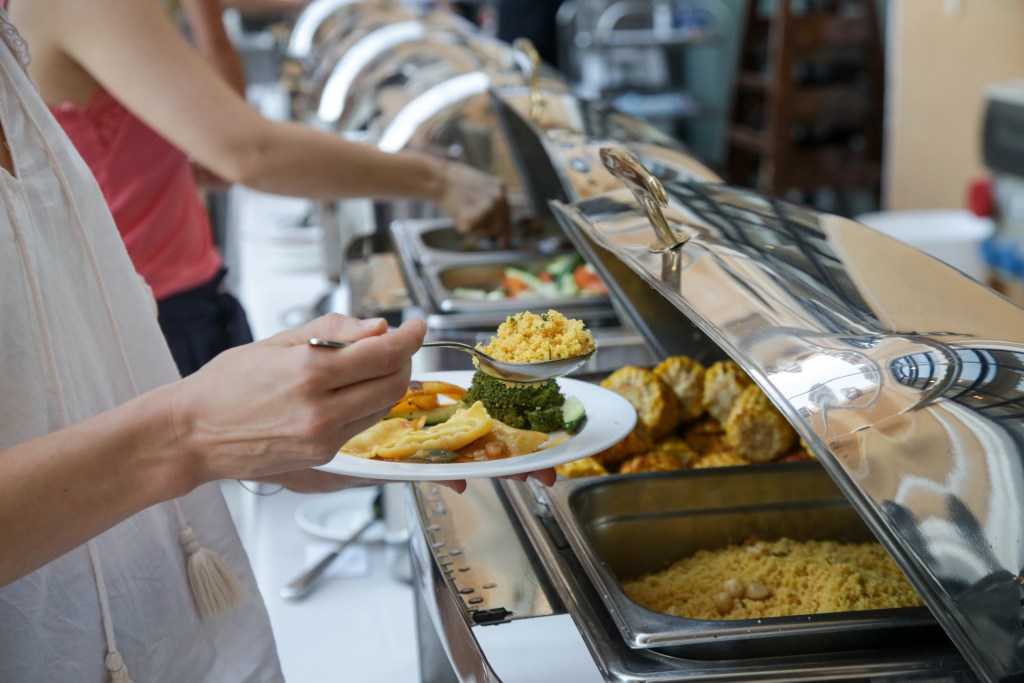
Buffet lines, beverage stations, and breakfast seating areas see constant spills, crumbs, and traffic. That issue compounds during rush periods if there is no plan in place. Even if the food itself is being refilled consistently, these areas can feel chaotic and poorly managed if they aren’t kept neat and tidy.
The Fix:
Equip your staff with food-safe surface sanitizers, like Purell® Unscented Food Service Sanitizer, that dry quickly and clean and sanitize in one step. This allows your team to quickly wipe down areas between guests without leaving residue or strong odors behind. Having these on hand makes it easy to clean as you go without disrupting service.
Pair your chemicals with disposable wipers or dedicated microfiber cloths for foodservice areas to maintain hygiene and avoid cross-contamination with restroom or other cleaning tools.
Another smart system is to designate one person per shift to specifically own the buffet and beverage area, while another one or two takes care of the seating areas. Even in peak times, this can improve your results dramatically.
Problem: Ice Machine is Overlooked
Did you know that the ice in a hotel ice machine is considered food by the FDA?
Ice machines are easy to forget since they typically are separate from the rest of your foodservice operation, but they’re one of the most important food-contact areas in the hotel. Even if your machines are self-cleaning, they need to be maintained regularly to avoid creating a health risk for your guests.
The Fix:
Establish a documented ice machine cleaning and sanitizing schedule using cleaners and sanitizers that are food-safe and approved by the manufacturer of your machine.
Ice bins, scoops, and dispensers should be cleaned and sanitized regularly, not just when buildup is visible or when someone gets sick. At minimum, this should be done monthly, or weekly in facilities with hard water.
Store ice scoops outside of the bins in clean, protected holders to prevent contamination.
Remember: Guests trust this ice without thinking. Your cleaning and sanitation program needs to earn that trust.
5. Fix Odors at the Source
As we touched on in Section 3, foul odors are one of the fastest ways to damage guest perception—even outside of the restroom. Guests may forgive minor visual flaws, but unpleasant odors, like musty rooms, chemical odors, or food smells, can quickly create discomfort and distrust.
Problem: Odors are Masked, Not Eliminated
Many hotels rely too heavily on air fresheners in rooms, restrooms, and common areas. Unfortunately, it’s pretty easy for guests to tell when a scent is covering up something unpleasant, and strong fragrances can actually make complaints even worse.
The Fix:
Target the odor at the source and eliminate it. Just like in restrooms, you can use enzyme-based cleaners to break down organic material in drains, carpets, and trash areas. These products work over time and solve the root problem instead of layering fragrance on top.
Once the odor has been eliminated, you can use air fresheners strategically and sparingly. Aim for a very light or neutral scent option designed for hospitality environments. This is a supplement, not a replacement, for proper air care.
Pro Tip: For the best indoor air quality, use both air fresheners and odor eliminators. This will improve the ambiance of the room and support health and safety.
Problem: Moisture and Ventilation Issues Trapping Odors
Musty odors can stem from moisture trapped in carpets, upholstery, tile grout, or HVAC systems. Even with regular cleaning, without proper airflow, these odors can linger and spread throughout the entire property.
The Fix:
Start by incorporating periodic deep cleaning of carpets and upholstery with a HEPA-filtered vacuum and carpet extractor into your cleaning program.
Then, make sure your restrooms are able to dry properly by addressing the ventilation and airflow. Any persistent issues should lead to checking the exhaust fan and building ventilation.
You should also schedule regular HVAC maintenance (at least twice per year) and filter replacement (minimum 4 times per year) to make sure your system is working as intended.
Many odor problems are just airflow problems in disguise.
When your hotel smells fresh and neutral throughout the property, it creates a clean, comfortable, and professional environment for your guests.
6. Support Your Staff with Standardized Tools and Training
Behind every positive guest experience is a team equipped to succeed. When your employees have access to the products, tools, equipment, and training they need, they tend to work more efficiently and confidently.
Problem: Too Many Products Create Confusion and Shortcuts
If your staff has access to dozens of cleaners, tools, and brands, inconsistency is almost inevitable. It will likely lead to substituting products, using the wrong products on the wrong surfaces, or skipping steps entirely just to keep up.
The Fix:
Standardizing a core set of approved products across departments can reduce confusion, improve consistency, and simplify training. Having a few products, all with clear purposes, instead of too many can help reduce training time, improve cleaning speed, and create consistency. This added efficiency can save your business time and money on its own.
We recommend labeling your bottles clearly and keeping them in the same location on every cleaning cart. That way, your staff won’t need to think; they can just execute.
You should also make sure your team has access to any safety documentation they might need should any questions arise.
Simplifying your products often improves your cleaning results more than buying “better” ones.
Problem: Improper Dilution Wastes Product and Damages Surfaces
Manually mixing chemicals can lead to overuse, underuse, or safety concerns. This wastes product, harms surfaces, and leads to inconsistent cleaning results.
The Fix:
Install closed-loop dilution systems that automatically mix chemicals at the correct ratio every time. These systems reduce waste, protect surfaces, and help create consistent cleaning performance.
They can also make training easier and improve chemical safety for your staff.
Problem: Training is One-and-Done, Not Ongoing
Many hotels train their new hires once and assume all of the products and processes will stick. Without ongoing reinforcement, shortcuts can creep in and standards can drift.
The Fix:
Provide ongoing training that explains both how tasks are done and why they matter.
Partnering with Imperial Dade adds value here. In addition to the products you need, we offer on-site training, operational guidance, and solutions tailored to your specific property.
When your staff understands the why behind their work, increased pride and performance tend to follow. That makes consistent training one of the most effective tools for consistency.
Having strong systems in place empowers your staff to deliver better results, and your guests will likely feel the difference.
Final Thoughts
While design, amenities, and service matter, cleanliness, sanitation, and foodservice operations are ultimately what shape guests’ perception of your hotel. When these systems are working in harmony, guests feel comfortable, confident, and cared for, even if they can’t pinpoint exactly why.
By investing in the right housekeeping programs, foodservice solutions, and staff support, hotels can elevate the guest experience in ways that are both visible and deeply impactful.
Need help improving your guest experience? Reach out to Imperial Dade! We offer free on-site training, as well as cleaning, foodservice, and operational solutions that can be tailored to your specific property’s needs.
Check Out These Related Articles:
- How to Remove Lingering Odors From Hotel Rooms + Key Tips for Eliminating Musty Odors and Smoky Smells
- How to Identify and Remove Stains in Commercial Laundry
- Can Liners 101: How to Choose the Right Trash Can Liner & Save Money
- Air Fresheners vs. Air Purifiers: What’s the Difference and Why it Matters
- What are the Most Common Air Pollutants in a Facility?
- How to Improve Indoor Air Quality
- 10 Most Common Restroom Complaints and How to Solve Them
- How to Clean Bathroom Tile and Grout: 10 Tips and Tricks You Need
- Commercial Odor Control Systems: How to Eliminate Bathroom Odors


