Cleaning & Janitorial
The Complete Guide to Pressure Washers: Types, Uses & Maintenance Tips
June 28, 2025
Learn how to choose, use, maintain, and troubleshoot commercial pressure washers with our comprehensive guide. Explore pressure washer types, pricing, and best practices to keep your equipment performing at its best.
Pressure washers have become a piece of indispensable equipment for effectively and efficiently cleaning surfaces in a variety of commercial settings.
Whether you’re tackling small, daily cleaning tasks or performing larger, periodic maintenance, understanding the ins and outs of a pressure washer is crucial for achieving the best results.
Maybe you’re on the fence about purchasing a pressure washer for your business and are looking for the right equipment to get the job done.
Maybe you need to know what factors influence the cost of purchasing a pressure washer.
Perhaps you already own a pressure washer and need to know how to operate it, maintain it, or troubleshoot issues you are experiencing with it.
Don’t worry! We will cover everything you need to know in this guide.
Don’t have time to read the full guide? A downloadable version will be available shortly. Be sure to check back!
In this comprehensive ultimate guide, we’ll explore the key features of pressure washers, how they work, how much they cost, how to use them, and how to troubleshoot common pressure washer problems.
This e-book is packed with valuable information from industry experts and is designed to:
- Explain what a pressure washer is and how it works
- Educate on all the different components and features of a pressure washer
- Review the types of surfaces you can use your pressure washer on
- Evaluate the factors that can influence the price of a pressure washer
- Teach you how to use a pressure washer
- Cover steps for pressure washer repair and preventative maintenance
- Discuss the most commonly asked questions from prospective buyers
- Chapter 1
- What Is a Pressure Washer? Definition and Overview
- Chapter 2
- Key Components of a Pressure Washer
- Chapter 3
- What Surfaces Can Be Pressure Washed?
- Chapter 4
- How Much Does a Pressure Washer Cost? Factors and Considerations
- Chapter 5
- How to Use a Pressure Washer
- Chapter 6
- Pressure Washer Repair & Maintenance Guide
- Chapter 7
- Recommended Pressure Washers
- Chapter 8
- Important Questions to Ask When Selecting a Pressure Washer
- Conclusion
- Next Steps
Chapter 1: What Is a Pressure Washer? Definition and Overview
Before investing in a pressure washer, it’s essential to do some initial research to understand how the machine works and what it’s designed to do.
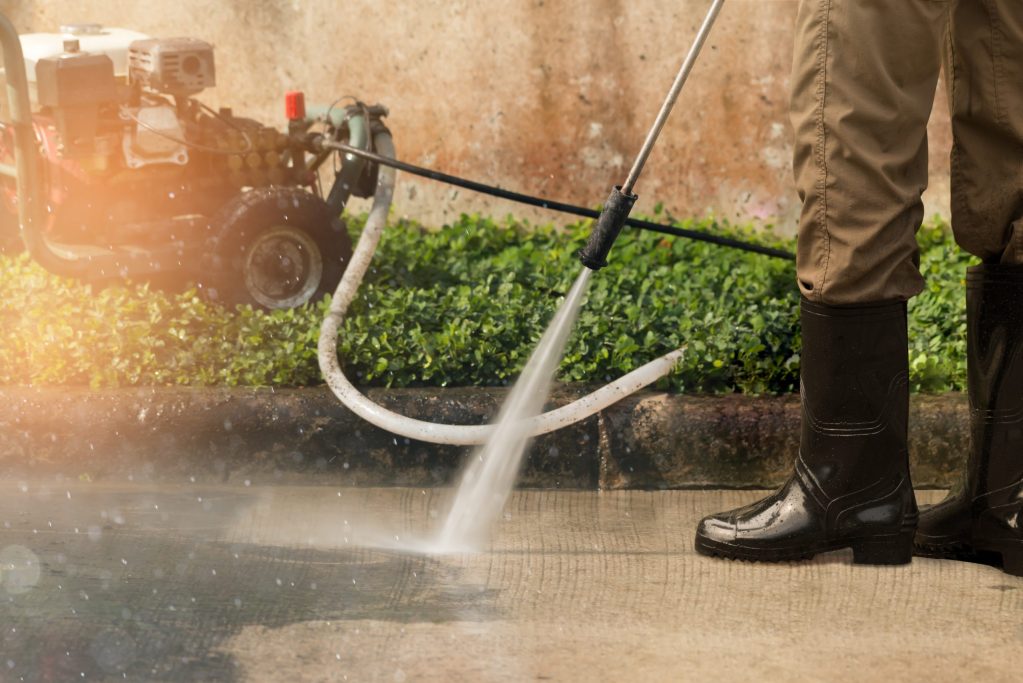
A pressure washer is a machine that uses a high-pressure stream of water to remove dirt, grime, mold, and even peeling paint from various surfaces.
They’re incredibly versatile and can be used to clean everything from building exteriors and driveways to vehicles, fences, masonry, rooftops, and more.
How Do Pressure Washers Work?
Pressure washers work by drawing water through a pump, which is powered by either an electric motor or a gasoline engine. This pump then pressurizes the water, creating a powerful stream.
Two main factors determine a pressure washer’s performance:
- PSI (Pounds per Square Inch): Indicates the force of the water.
- GPM (Gallons per Minute): Measures the water flow rate.
Think of PSI as the strength and GPM as the volume. Together, they determine how efficiently the machine cleans.
Types of Pressure Washers
Pressure washers are categorized by their power levels:
- Light-Duty
- Heavy-Duty
- Commercial-Grade
Light-Duty Pressure Washers
Ideal for smaller tasks like cleaning outdoor furniture or walkways. These models typically operate at up to 1900 PSI and 2 GPM, but many can still handle regular commercial cleaning.
Heavy-Duty Pressure Washers
These are suited for tougher jobs, like washing building exteriors or large equipment. They go up to 2800 PSI and 3 GPM.
Commercial Pressure Washers
Designed for the most demanding jobs, these machines can reach up to 7000 PSI and 5.5 GPM, making them highly efficient for large-scale cleaning.
Takeaways:
- A pressure washer uses high-pressure water to remove dirt, grime, and debris from a variety of surfaces.
- Pressure washers work by pressurizing water through a pump powered by either electricity or gasoline.
- PSI measures the force of the water, while GPM measures the volume—both are key to cleaning efficiency.
- Light-duty pressure washers are best for smaller, routine cleaning tasks with lower PSI and GPM levels.
- Heavy-duty pressure washers offer the highest power and flow rates, making them ideal for large, demanding jobs.
Chapter 2: Key Components of a Pressure Washer
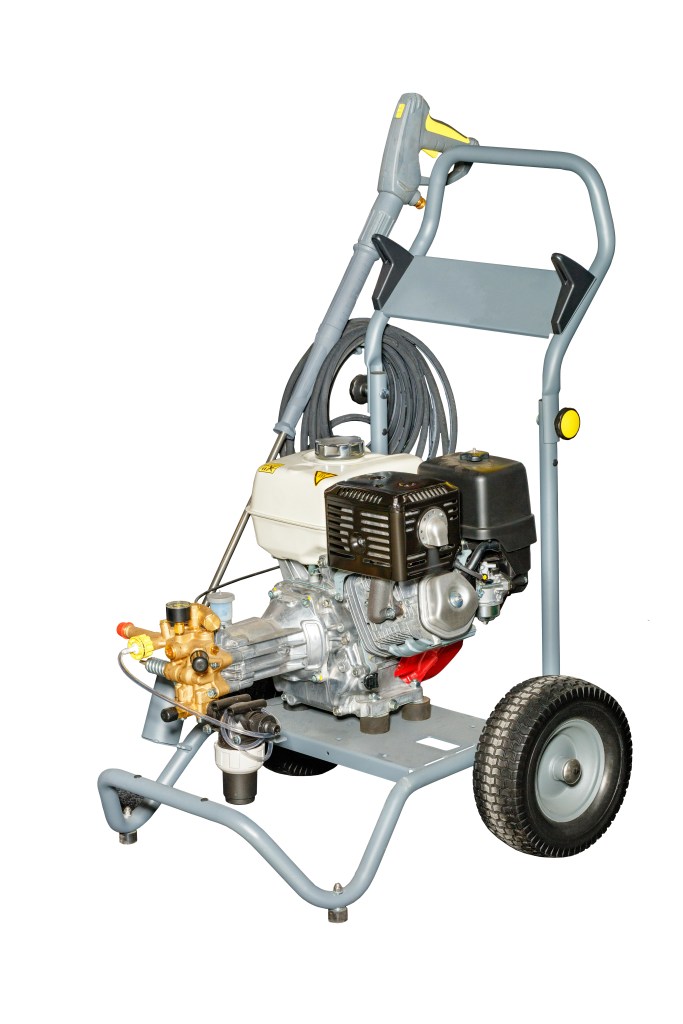
Pressure washers are made up of a variety of features and components that can influence the machine’s cleaning capabilities and versatility, making them suitable for different applications.
Understanding the parts of a pressure washer helps ensure you choose the right model and use it safely and effectively.
These parts are:
- Power Supply
- Pump System
- Boiler
- Hose
- Trigger Handle
- Spray Wand
- Nozzle
1. Power Source
- Gasoline-Powered: Ideal for outdoor, heavy-duty jobs. More powerful but requires fuel and maintenance.
- Electric-Powered: Quieter, more affordable, and lower maintenance. Better for lighter or indoor jobs.
2. Pump System
The pump draws water and pressurizes it. This is the heart of the pressure washer and determines its overall performance.
3. Boiler (for Hot Water Units)
Some models use hot water for added cleaning power. These typically include a diesel-fired boiler, regardless of whether the unit is electric or gas-powered.
4. Hose
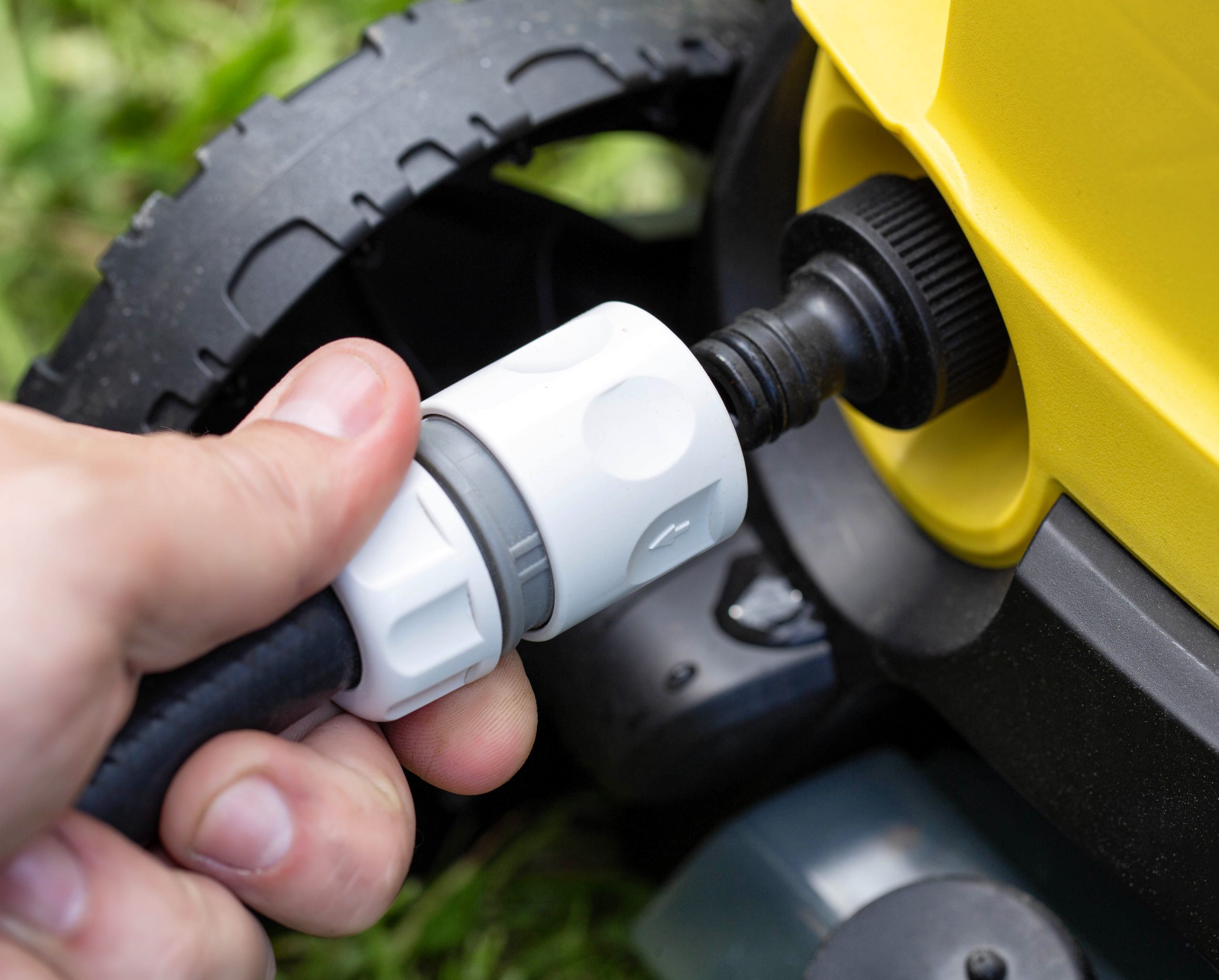
Transfers the pressurized water from the pump to the nozzle. Hoses come in various lengths (typically 50–300 ft) for different reach needs.
5. Trigger Handle
Attaches to the hose and allows the operator to control water flow. Shuts off automatically if dropped, enhancing safety.
6. Spray Wand
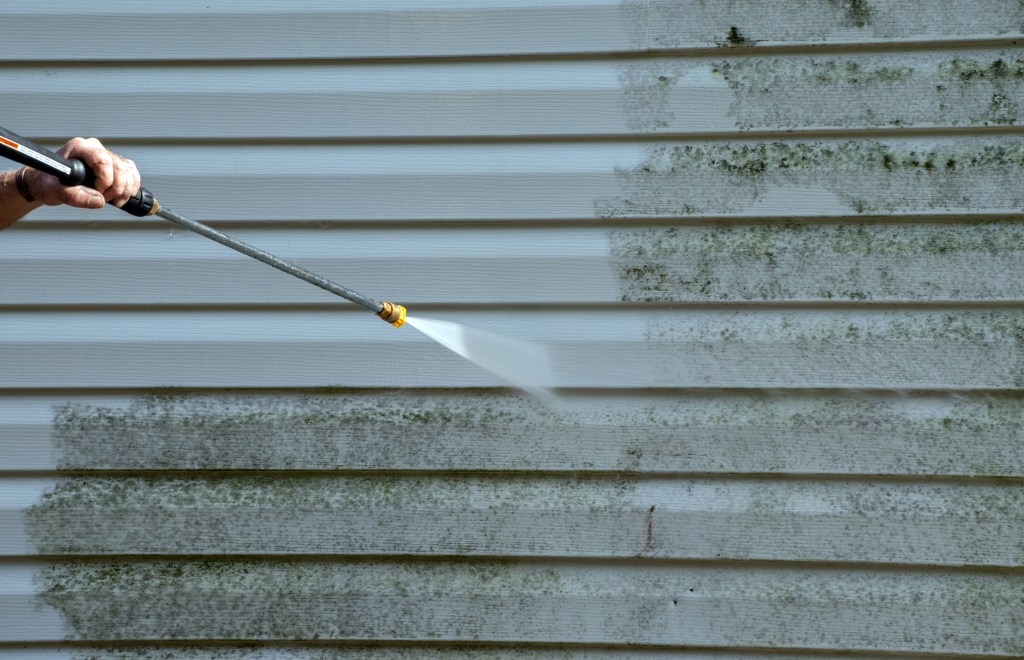
Connects to the trigger handle and directs the water stream. Built with various materials depending on the model’s power level.
7. Nozzle
Determines spray pattern and pressure. Nozzles come in multiple sizes for specific applications—from high-pressure deep cleaning to gentle soap application.
Takeaways:
- A pressure washer’s effectiveness and versatility depend on key components like the power source, pump, and nozzle.
- Gas-powered models are better for heavy-duty outdoor jobs, while electric units are quieter and lower-maintenance for lighter tasks.
- The pump system is the core of the machine, responsible for drawing and pressurizing water.
- Hot water units include a boiler for enhanced cleaning power, especially when tackling grease or oil.
- Nozzles control spray pattern and pressure, allowing customization for a wide range of cleaning applications.
Chapter 3: What Surfaces Can Be Pressure Washed?
Knowing when and where you can use your pressure washer is important to avoid damage or injury and ensure effective cleaning. For best results, consider the type of surface you are cleaning and use the appropriate settings, features, and nozzle
Always follow manufacturer recommendations for PSI settings to avoid surface damage. Here’s a quick guide:
Can You Pressure Wash Concrete?
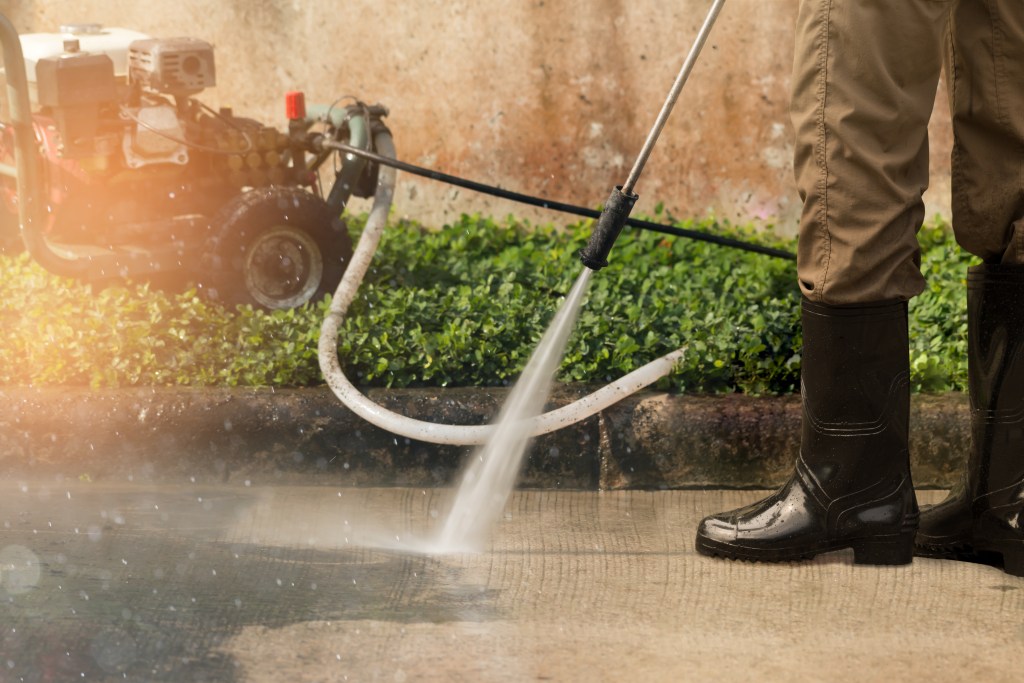
Pressure washing is highly effective on concrete surfaces. Removes stains, dirt, and mildew easily with heavy-duty or commercial units.
Can You Pressure Wash Stucco?
Stucco can be pressure washed, but with caution. Wash gently with a unit under 1500 PSI to prevent surface damage.
Can You Pressure Wash Brick?
Brick surfaces can be cleaned with a pressure washer, however, use caution and keep the nozzle a few inches away to avoid harming grout.
Can You Pressure Wash Asphalt?
Pressure washing asphalt is possible, but do so carefully. Stick with light-duty washers. High PSI may dislodge gravel.
Can You Pressure Wash Wood?
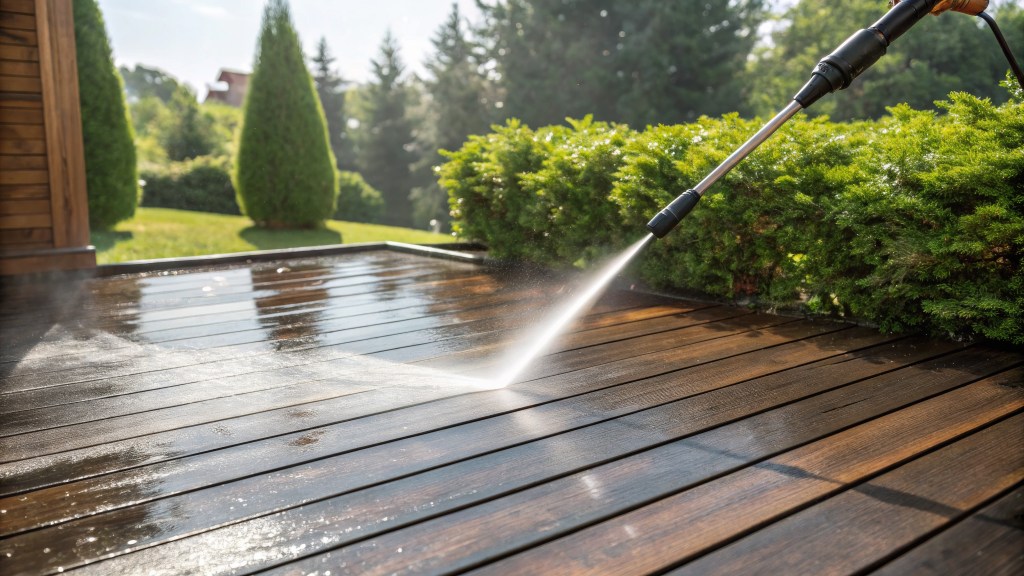
Wooden surfaces can be pressure washed, but only use light-duty washers to avoid splintering or stripping paint.
When in doubt, it’s always best to consult a professional or use a soft washing method for delicate surfaces.
Because different surfaces have different sensitivity to water pressure, using the wrong nozzle or technique can lead to damage or poor results.
Takeaways:
- Different surfaces require different PSI levels to avoid damage while ensuring effective cleaning.
- Concrete is durable and responds well to heavy-duty or commercial pressure washers for deep cleaning.
- Stucco and wood are delicate and should only be cleaned with light-duty washers to prevent damage.
- Brick and asphalt can be pressure washed with care—maintaining distance and using lower pressure is key.
- Always refer to manufacturer guidelines or consult a professional when cleaning sensitive surfaces.
Chapter 4: How Much Does a Pressure Washer Cost? Factors and Considerations
It’s important to understand key factors that can influence cost when purchasing a pressure washer. There’s no one-size-fits-all price. Costs can vary widely based on features, size, power source, and more.
Pressure washer prices can vary widely depending on their type, size, and intended use. On average, commercial models range from $1,500 to over $25,000, depending on features and capabilities.
Investing in the right pressure washer can be a bit overwhelming. With so many models and features to choose from, it’s easy to end up overpaying for functions you might never use. That’s why it’s important to understand what features truly matter for your cleaning needs.
7 Factors that Affect the Cost of Pressure Washer
Here are seven key factors that influence both the cost and performance of commercial pressure washers:
- Diesel-Fired Heating Unit
- Power Source
- Start-Up Mechanism
- Pressure Output
- Physical Size and Mobility
- Frequency of Use
- Dilution Control Systems
Let’s break each one of these down.
1. Diesel-Fired Heating Unit
All pressure washers can clean with cold water, but some are equipped with a diesel-fired burner to heat water—ideal for cutting through grease, oil, and stubborn grime.
Hot water units are a larger investment due to their enhanced cleaning power and additional components like the diesel tank and heating coil. If your tasks involve heavy-duty degreasing, the extra cost may be worth the efficiency gains.
2. Power Source
Your choice of power source impacts both functionality and cost:
Electric-Powered Pressure Washers
Quiet, low-maintenance, and cost-effective—great for indoor or smaller-scale jobs. However, you’re limited by cord length unless you invest in extension options.
Gasoline-Powered Pressure Washers
More powerful and mobile, making them ideal for outdoor or industrial tasks. They tend to cost


